
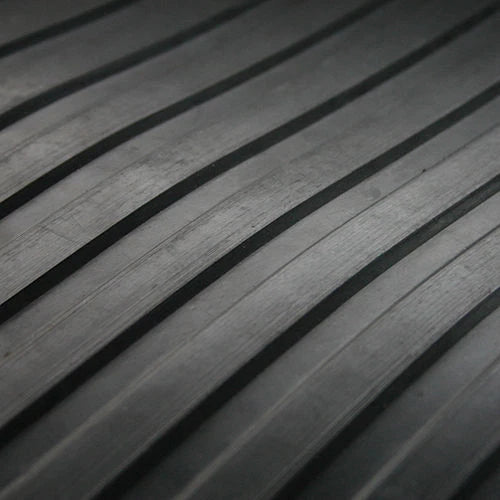
BROAD Ribbed Cab Garage Shed Workshop Rubber Flooring Matting 55" wide x 3mm thk
- Regular price
- £49.98
- Regular price
-
- Sale price
- £49.98
- Unit price
- per
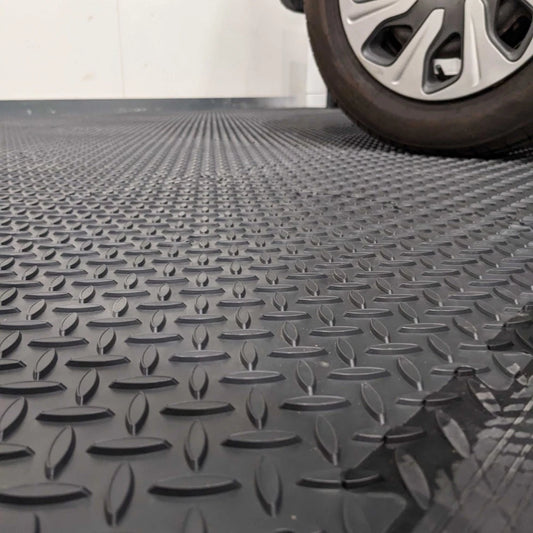
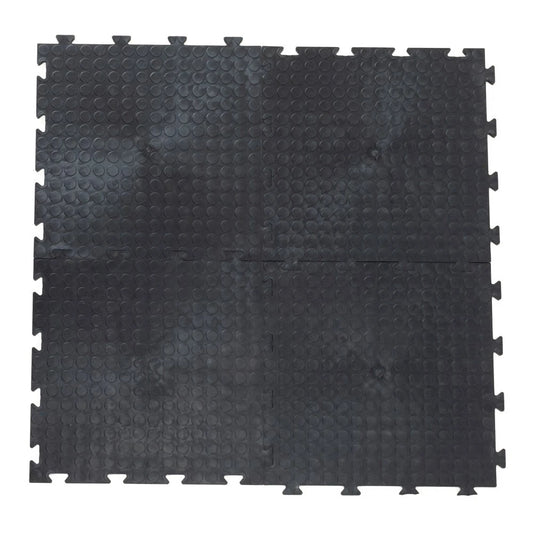
Interlocking Garage Flooring Tiles Heavy Duty 12mm thick workshop floor pvc gym
- Regular price
- £9.00
- Regular price
-
- Sale price
- £9.00
- Unit price
- per
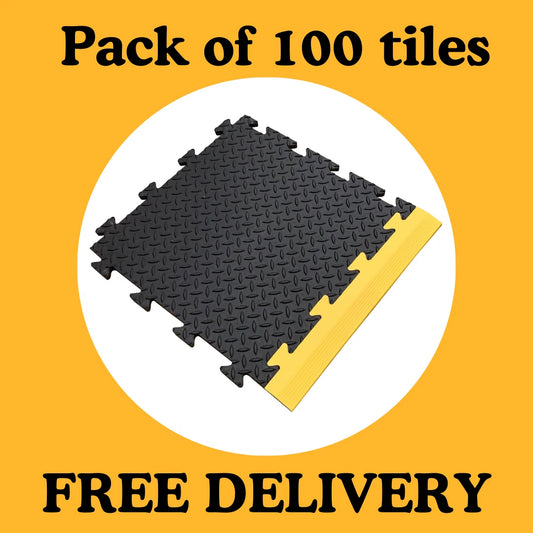
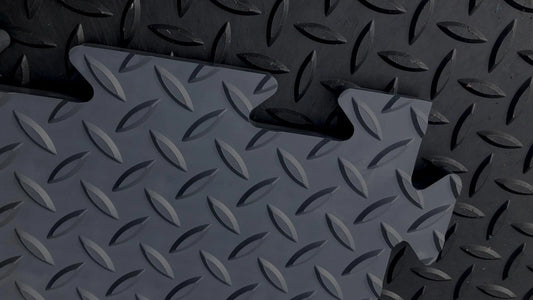
100 garage floor tiles, interlocking, showroom, workshop
- Regular price
- £900.00
- Regular price
-
- Sale price
- £900.00
- Unit price
- per
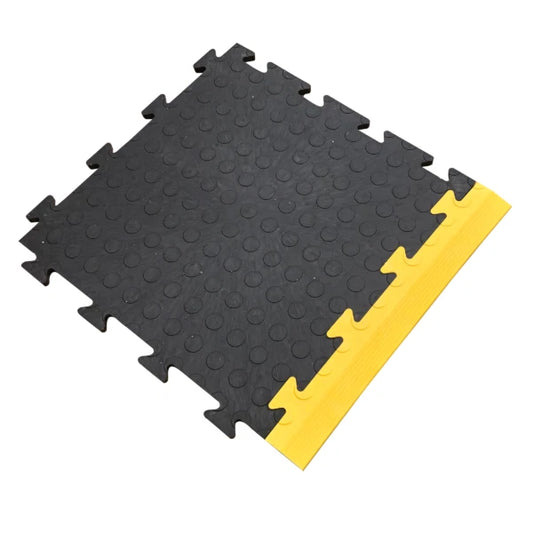
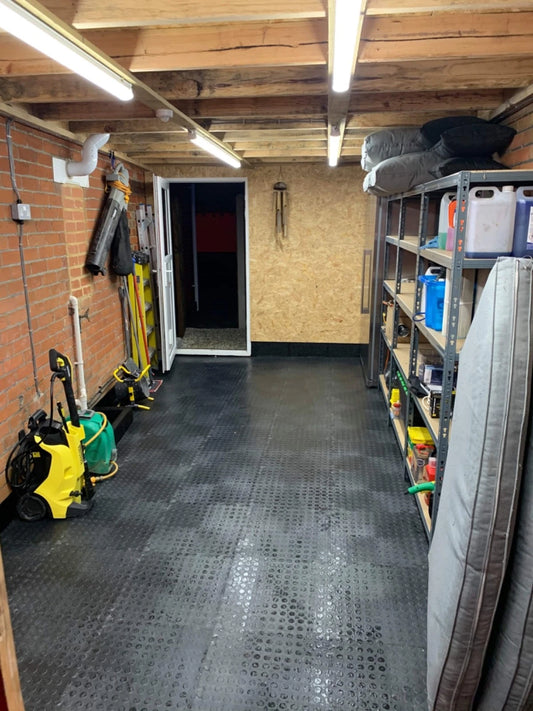
Interlocking garage floor tiles flooring heavy duty penny checker
- Regular price
- £11.75
- Regular price
-
- Sale price
- £11.75
- Unit price
- per

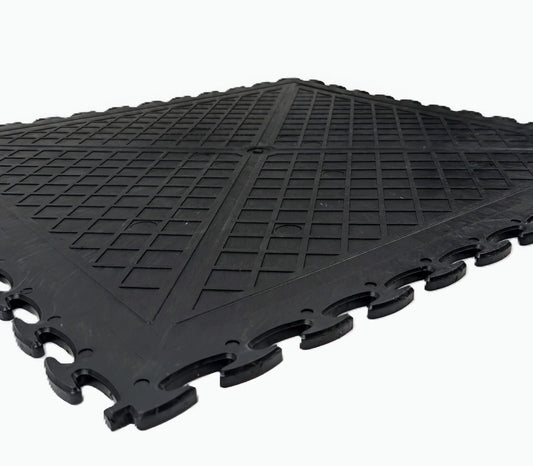
SOLID PVC HEAVY DUTY PRO INTERLOCKING GARAGE FLOOR TILES CAR WORKSHOP GYM MAT UK
- Regular price
- £11.22
- Regular price
-
- Sale price
- £11.22
- Unit price
- per
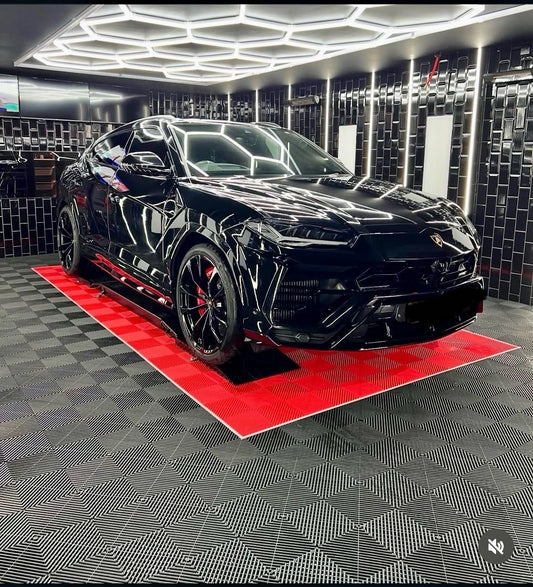
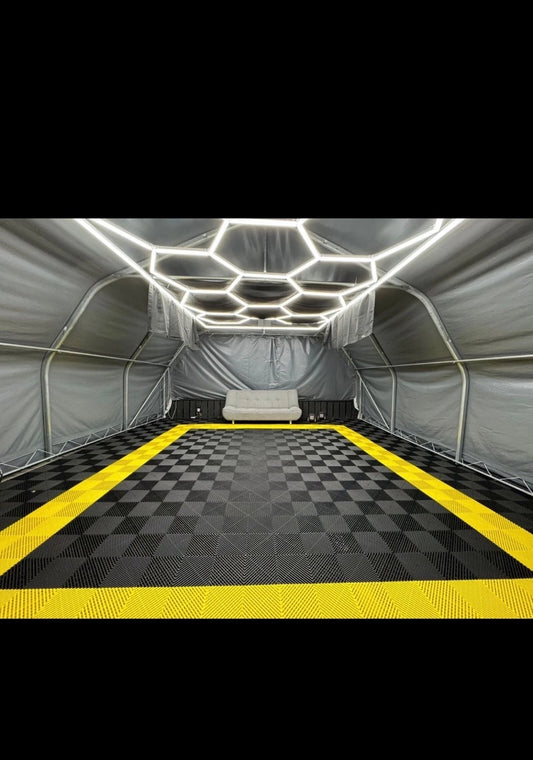
Modular Interlocking Vented Garage Floor Tiles | Detailing, Showroom, Outdoor..
- Regular price
- £8.15
- Regular price
-
- Sale price
- £8.15
- Unit price
- per
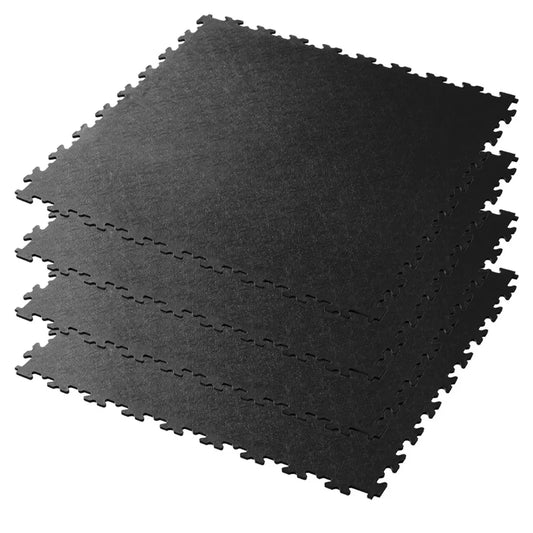
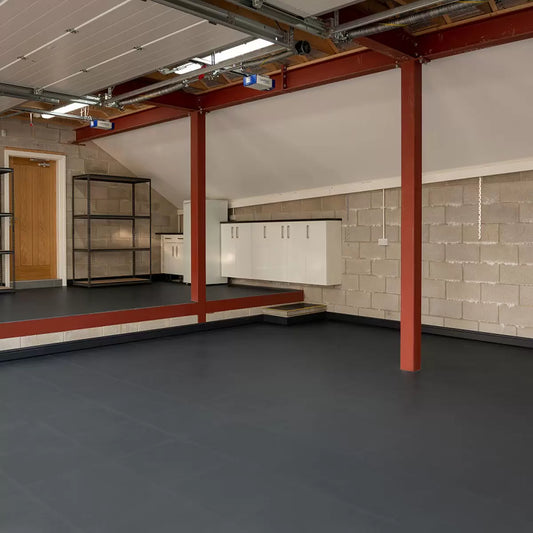
Garage Floor Tiles 5mm X500 4 Pack 0.98m² Black Graphite Interlocking
- Regular price
- £86.22
- Regular price
-
- Sale price
- £86.22
- Unit price
- per
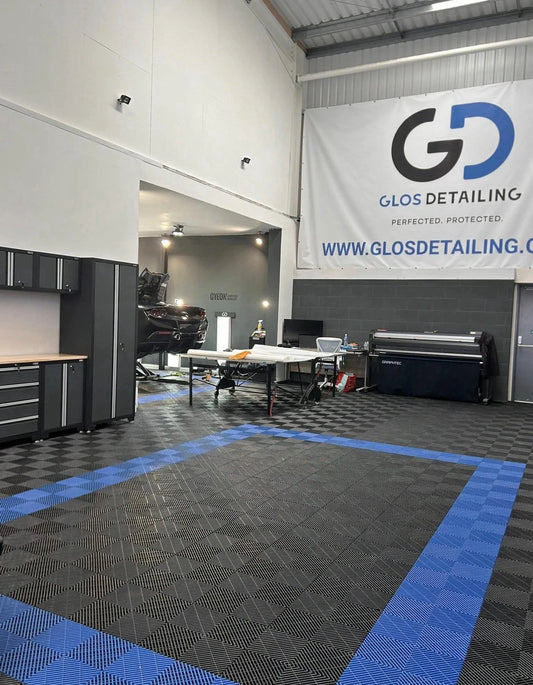
140 TILES 46 Edges 4 Corners VENTED Interlocking Garage Floor Tiles 400mm
- Regular price
- £1,076.00
- Regular price
-
- Sale price
- £1,076.00
- Unit price
- per
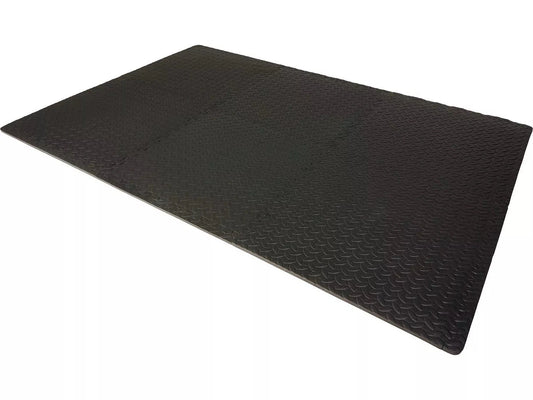
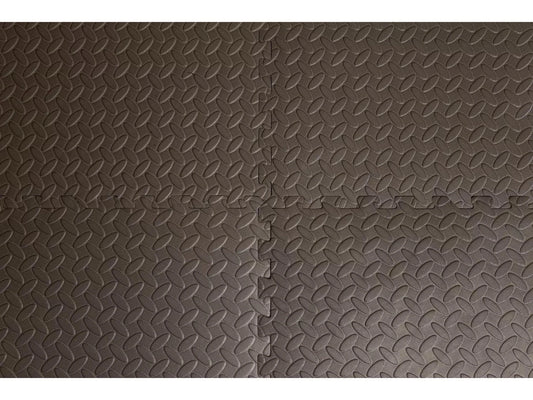
Garage Floor Tiles 6pcs 60cm X 60cm 1.2cm Thickness
- Regular price
- £53.13
- Regular price
-
- Sale price
- £53.13
- Unit price
- per


Modular Garage Floor Tiles for Commercial and Residential Garages
Transforming a bare, dusty concrete garage into an organized, high-performance workspace demands a floor surface engineered to withstand vehicle loads, oil spills, and heavy foot traffic. Plain concrete subfloors are inherently porous, making them prone to surface pitting, tire staining, cracking, and continuous concrete dust accumulation. Installing modular garage floor tiles creates a heavy-duty protective barrier that shields structural concrete slabs, improves slip resistance, and delivers a sleek, professional finish across home workshops, commercial auto bays, and vehicle showrooms.
At BuyWithUs Matting, we supply commercial-grade rubber and PVC garage flooring tiles engineered for long-term performance across UK residential garages, detailing bays, commercial workshops, and vehicle storage facilities.
Technical Advantages of Modular Garage Flooring Tiles
Selecting modular interlocking tiles over traditional floor paints or epoxy coatings eliminates common headaches like flaking, hot-tire pickup, and lengthy curing downtime. Modular tiles provide an immediate, dry-lay surface solution that handles heavy vehicle dynamic loads without peeling or cracking.
-
Subfloor Protection: Shields concrete slabs from heavy vehicle weight, jack stands, dropped tools, and harsh chemical drips.
-
Chemical and Fuel Resistance: High-density PVC and SBR rubber formulations resist motor oils, road salts, battery acids, and hydraulic fluids.
-
Tire Pickup Prevention: Unlike painted or epoxy-coated floors, solid tiles will not lift or peel under hot vehicle tires after long drives.
-
Dust Reduction and Easy Upkeep: Encapsulates porous concrete to eliminate persistent concrete dust, keeping tools, vehicles, and adjacent home interiors clean.
For homeowners outfitting full domestic fitness setups or personal workout spaces within garage conversions, explore our specialized home gym flooring for targeted, high-impact rubber options.
Essential Features of Commercial-Grade Garage Tiles
Choosing the right tile specification involves evaluating material composition, surface topography, and edge profiles to match your garage's primary functional demands.
High-Impact PVC vs. Vulcanized Rubber Construction
-
Solid PVC Tiles: Engineered for heavy rolling vehicle loads, car jacks, and tool chests. High tensile strength prevents indentation under static vehicle tires.
-
Vulcanized SBR Rubber Tiles: Offers superior shock absorption, thermal insulation, and underfoot comfort ideal for workshops where users stand for long periods.
Slip-Resistant Surface Topographies
Vehicle workshops require high traction, especially when wet tires or rain enter the bay. Premium garage tiles feature molded surface textures such as checker plate (diamond plate), coin top (penny dot), or vented/draining grids that channel away water and slush.
Interlocking Edge Profiles and Beveled Edges
Precision-engineered puzzle edges or hidden interlocks ensure tiles snap together securely without messy adhesives. Matching ramped edge strips eliminate trip hazards along garage doorways and vehicle entrance thresholds.
Comparing Modular Garage Tile Surface Formats
Matching tile profiles to specific garage activities guarantees maximum subfloor preservation and ease of maintenance.
|
Tile Profile |
Primary Garage Use |
Key Performance Benefit |
|
Coin Top (Penny Dot) |
Detailing Bays, Showrooms & General Parking |
Sleek aesthetic, easy rolling for tool carts & high traction |
|
Checker Plate (Diamond) |
Heavy Workshops, Mechanical Bays & Tool Zones |
Classic industrial aesthetic & maximum slip resistance underfoot |
|
Vented Grid (Open Floor) |
Wet Wash Bays, Snow Zones & Detailing Studios |
Self-draining design; allows liquid & dirt to drain straight through |
For commercial garages, heavy industrial bays, or agricultural workshop areas requiring maximum point-load protection, explore our specialized heavy duty rubber matting for extreme compression resistance.
Multi-Functional Applications Across UK Properties
Commercial-grade modular garage floor tiles deliver reliable performance across diverse residential and commercial environments:
-
Residential Vehicle Garages: Protects concrete floors from oil drips, road salt corrosion, and hot tire marks while creating a clean, modern aesthetic.
-
Auto Detailing & Workshop Bays: Resistant to wash chemicals, waxes, and fluids, providing safe, slip-resistant footing for technicians.
-
Home Gym Conversions: To discover modular options designed specifically for weightlifting platforms and free-weight drops, consider our specialized rubber floor tiles collection.
Frequently Asked Questions
Can garage floor tiles support the weight of heavy vehicles and car jacks?
Yes, commercial-grade PVC and heavy-duty rubber garage floor tiles are engineered specifically to support heavy point loads, including cars, SUVs, vans, trolley jacks, and axle stands. Their dense structural composition handles high compression without cracking, warping, or sinking under static vehicle tires.
Do garage floor tiles suffer from hot tire pickup like epoxy paint?
No, modular garage floor tiles do not suffer from hot tire pickup. Epoxy coatings and floor paints often lift or peel when hot vehicle tires sit on them after long drives. PVC and rubber tiles form a solid, mechanical floor barrier that remains unaffected by tire heat.
Do I need adhesive to install interlocking garage floor tiles?
In almost all residential and commercial garage installations, interlocking tiles are laid as a floating floor without adhesive. Precision interlocking joints hold the tiles securely together, while the total weight of the layout keeps the floor flat. Adhesive is only required in areas with direct sunlight exposure across open doorways or extreme commercial point loads.
How do you clean and maintain garage floor tiles?
Routine maintenance involves sweeping or vacuuming away dust, leaves, and loose dirt. For deeper cleaning, mop the tiles using warm water mixed with a neutral-pH floor cleaner. Motor oil, hydraulic fluid, or chemical drips should be wiped clean promptly using an absorbent rag or mild degreaser.
Can garage floor tiles be installed over cracked or damaged concrete?
Yes, modular garage tiles can be installed directly over pitted, cracked, or uneven concrete subfloors without extensive surface levelling. The rigid or flexible tile structure bridges small cracks and imperfections, creating a smooth, level finish instantly.
Are PVC and rubber garage floor tiles resistant to oil and chemicals?
Yes, high-density PVC and nitrile/SBR rubber tiles resist motor oil, brake fluid, diesel, battery acid, and road salts. Their non-porous surface prevents chemicals from soaking through to damage the structural concrete slab beneath.
How do you trim garage floor tiles along walls and doorways?
Garage tiles trim easily using a sharp utility knife, jigsaw, or guillotine cutter along a straight metal guide. To fit tiles neatly around garage door tracks, pillars, or wall contours, measure the gap leaving a 5mm to 10mm expansion gap along wall perimeters.
Will water get trapped under solid garage floor tiles?
Solid interlocking tiles feature undersides designed with micro-drainage channels that allow minor moisture to evaporate naturally. For garages exposed to heavy snow, rainwater, or wash bays, vented (open-grid) garage tiles allow water to drain through freely to the subfloor drain.
How do garage tiles perform in cold winter conditions?
PVC and rubber garage floor tiles provide excellent thermal insulation, blocking cold dampness rising through uninsulated concrete slabs. They remain flexible, resist frost embrittlement, and provide reliable foot traction even in freezing UK winter weather.
How long do commercial modular garage floor tiles last?
When properly installed and maintained with non-solvent cleaning solutions, quality commercial-grade PVC and rubber garage tiles typically last 10 to 15 years or longer, maintaining their structural strength and appearance under daily vehicle use.
- Choosing a selection results in a full page refresh.