
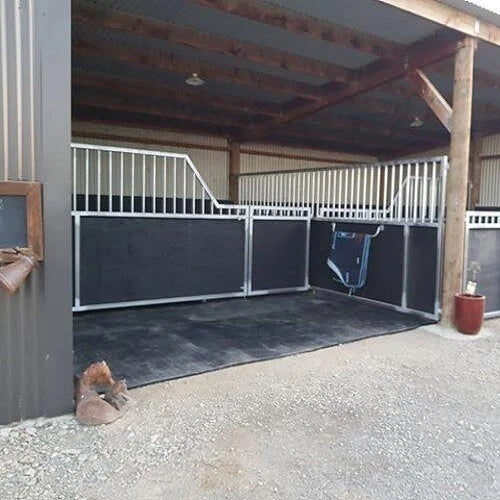
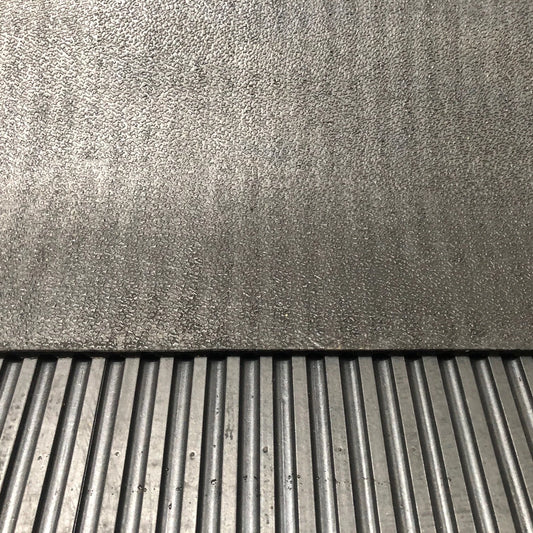
Horse Stable Mats | 18 Mat Pack | 18mm Heavy Duty Rubber | 1800 x 1200mm
- Regular price
- £2,172.00
- Regular price
-
- Sale price
- £2,172.00
- Unit price
- per
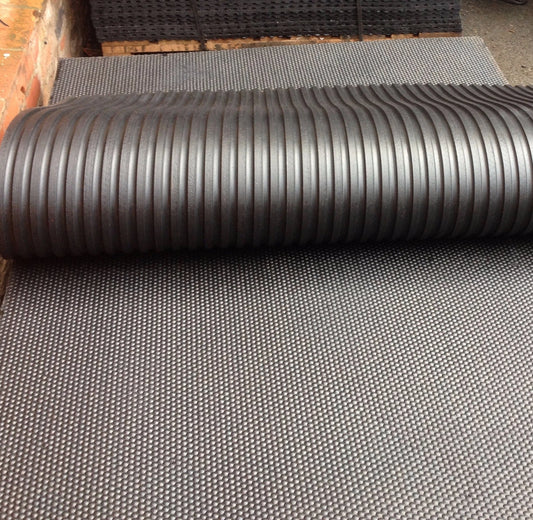
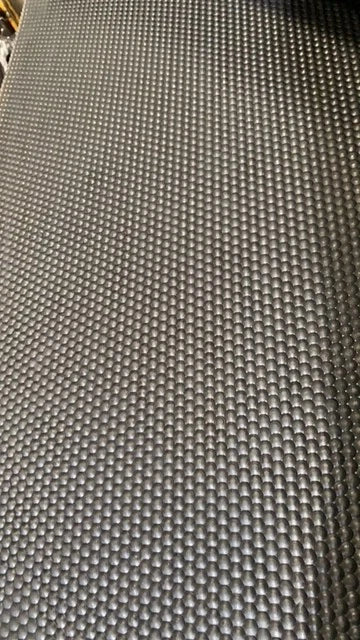
Heavy Duty Rubber horse stable horsebox garage mat 6ftx4ft 12mm
- Regular price
- £112.47
- Regular price
-
- Sale price
- £112.47
- Unit price
- per
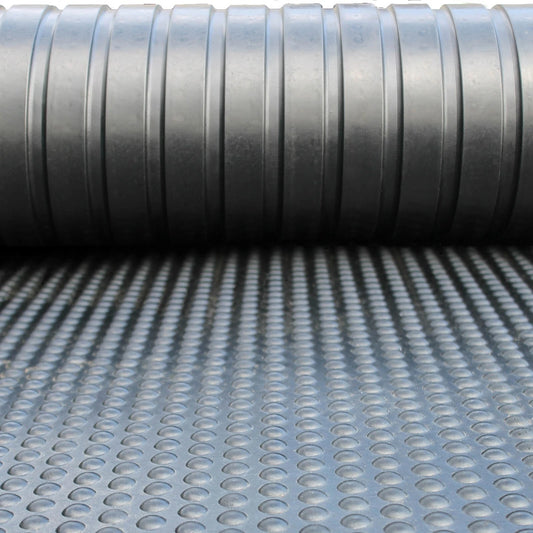
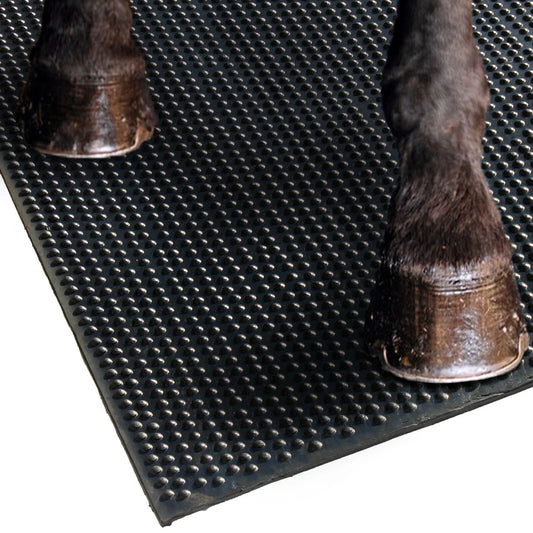
Rubber Stable Horse Mat 6x4ft 10mm Heavy Duty Equine Matting Non Slip Flooring
- Regular price
- £109.97
- Regular price
-
- Sale price
- £109.97
- Unit price
- per
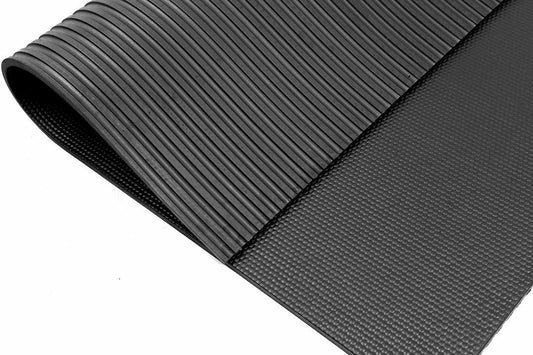
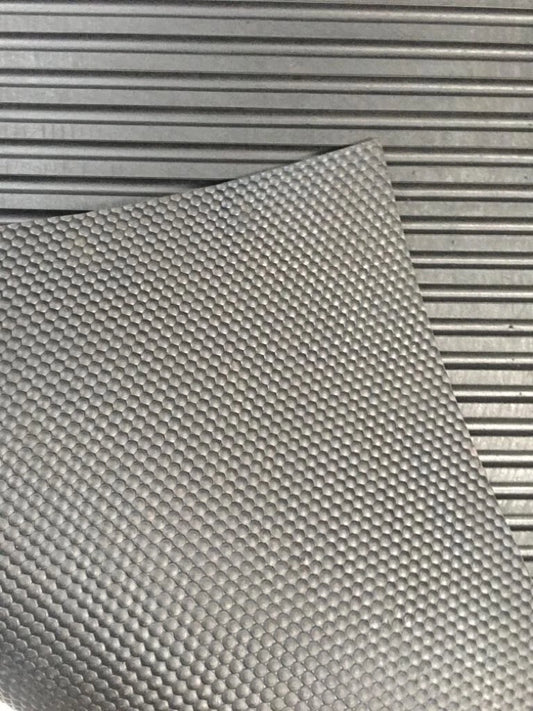
Heavy Duty Rubber Hammer Top Stable/Pony/Gym/Garage/ Mats Size- 6X4ft X12mm
- Regular price
- £99.97
- Regular price
-
- Sale price
- £99.97
- Unit price
- per
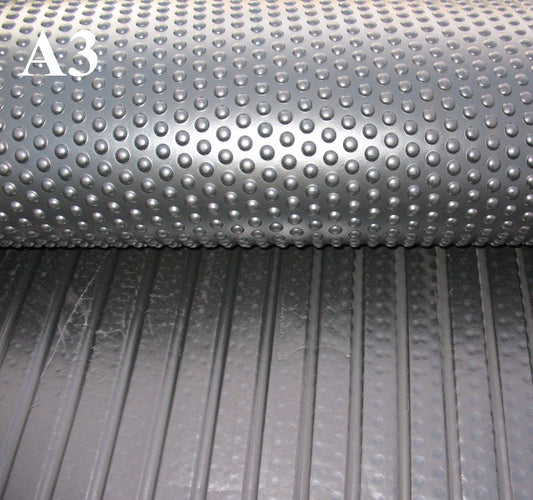
2 x 6 x 4ft Bubbletop Horse Pony Stable Matting | 18mm Thick | Heavy Duty Rubber
- Regular price
- £384.88
- Regular price
-
- Sale price
- £384.88
- Unit price
- per
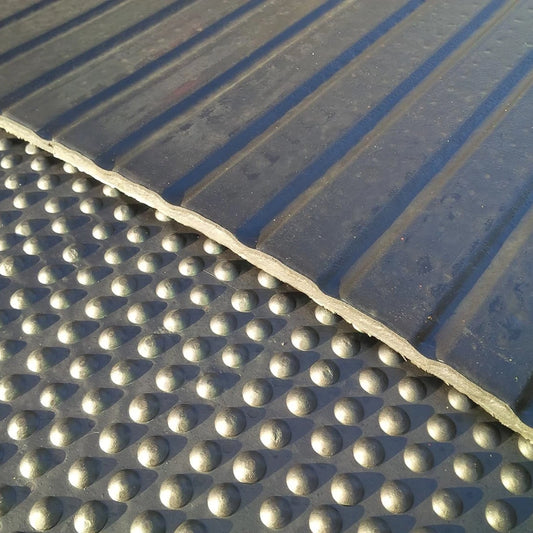
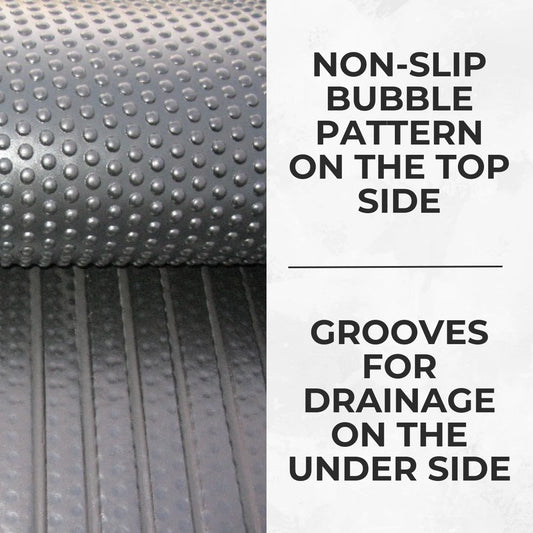
Bubbletop Rubber Stable Floor Matting 6ft x 4ft x 12mm Quality Horse Pony Mats
- Regular price
- £107.38
- Regular price
-
- Sale price
- £107.38
- Unit price
- per

6 x 4ft Bubbletop Horse Pony Stable Mat | 17mm Thick | Heavy Duty Rubber Matting
- Regular price
- £149.97
- Regular price
-
- Sale price
- £149.97
- Unit price
- per
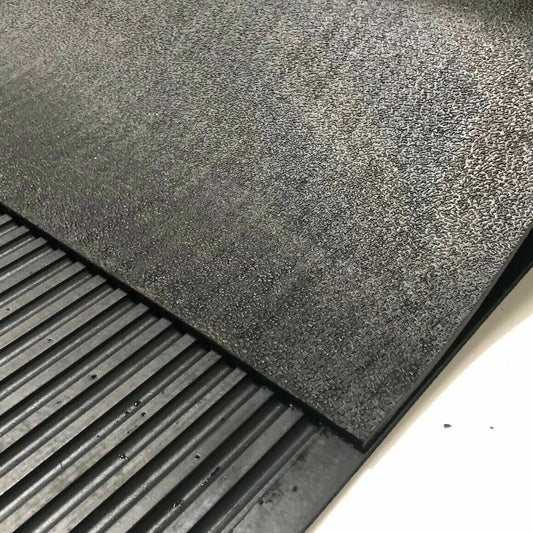
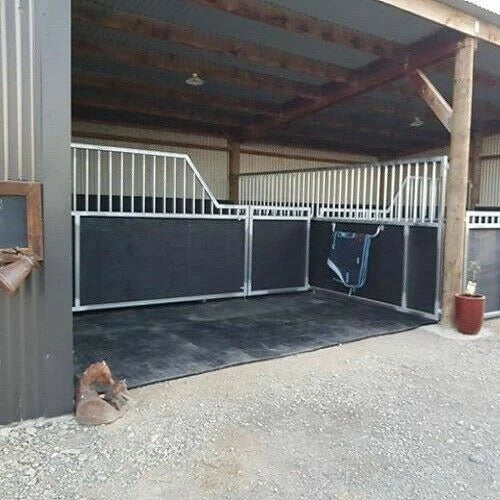
Horse Stable Mats | Heavy Duty Rubber | 2 Mat Pack | High Grip | 18mm Thick
- Regular price
- £450.00
- Regular price
-
- Sale price
- £450.00
- Unit price
- per
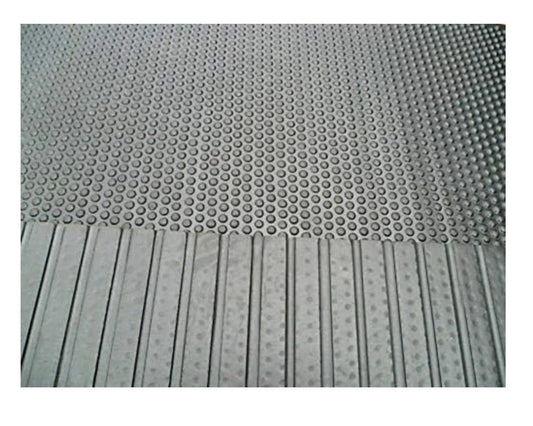
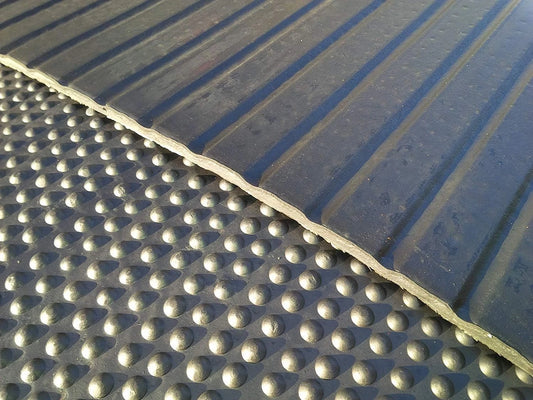
High-Quality 12mm Bubbletop Rubber Stable Mat 6ft x 4ft - Non-Slip Comfort
- Regular price
- £169.97
- Regular price
-
- Sale price
- £169.97
- Unit price
- per


Heavy-Duty Stable Mats for Extreme Equine Wear and Long-Term Protection
Outfitting heavy horse stalls, breeding stalls, and high-traffic equine facilities requires an uncompromising flooring surface engineered to handle relentless hoof impact, extreme point loads, and heavy daily wear. Standard thin rubber sheets or lightweight stable pads can stretch, shift, or tear under heavy horses, shoe studs, and constant movement. Installing heavy duty stable mats creates a solid, immovable protective barrier that absorbs severe kinetic shock, eliminates floor pitting, and preserves subfloors across demanding agricultural and equestrian properties.
At BuyWithUs Matting, we supply commercial-grade equine surfacing built for maximum durability, offering high thermal insulation, joint relief, and superior traction across UK stables, stud farms, and veterinary clinics.
Technical Advantages of Heavy-Duty Solid Rubber Equine Matting
Unlike composite foam mats or soft rubber blends that compress permanently under heavy animal weight, solid vulcanized rubber mats maintain structural resilience under severe impact. High-density rubber matrices absorb kinetic energy while distributing heavy point loads evenly across concrete, stone, or timber subfloors.
-
Maximum Impact and Shock Absorption: Cushions heavy horse hooves and shoe studs, preventing concrete micro-cracking and protecting horses' hocks, joints, and tendons from hard surfaces.
-
Superior Thermal Insulation: Blocks cold, damp conditions from rising through uninsulated ground-level concrete slabs, keeping stabled horses warm and comfortable during winter months.
-
Unyielding Structural Stability: High-mass, thick vulcanized rubber construction ensures mats lay completely flat and resist shifting, buckling, or lifting at the seams without requiring adhesives.
-
Substantial Bedding Reduction: Provides natural cushioning and thermal protection, allowing facility managers to reduce wood shaving or straw usage by up to 50–70%, significantly lowering labor and disposal costs.
For wide access corridors, stable aisles, or outdoor wash bays requiring continuous coverage, installing broad rubber matting provides a clean, slip-resistant pathway that stands up to constant foot and hoof traffic.
Performance Characteristics of Premium Heavy-Duty Stable Mats
Choosing the right heavy-duty stable mat configuration involves evaluating surface topography, rubber compound density, and underside drainage architecture to ensure optimal equine safety and ease of maintenance.
High-Traction Diamond and Amoeba Surface Tops
Equine slip prevention is vital, especially when horses stand up from a lying position or move within tight loose boxes. Heavy-duty mats feature deep, molded top patterns—such as non-abrasive diamond stable mats or textured amoeba profiles—that deliver high traction underfoot while remaining easy to sweep and muck out.
High-Density Solid Rubber Compounds
High-impact equestrian zones require 100% solid, non-porous rubber formulations. Solid rubber does not absorb urine, water, or disinfectant chemicals, preventing foul ammonia odors, bacterial growth, and material degradation over time.
Bottom Drainage Channels
Effective moisture evacuation is critical beneath stall flooring. Heavy-duty mats engineered with bottom drainage grooves allow trapped liquids to flow freely toward the stall's natural floor pitch and drain gullies, keeping the standing area dry and sanitary.
Comparing Heavy-Duty Stable Mat Specifications
Matching mat thickness and surface design to specific stall requirements guarantees optimal horse comfort and subfloor preservation.
|
Mat Profile |
Recommended Horse Breed / Use |
Primary Structural Benefit |
|
17mm Solid Diamond Top |
Standard Light-to-Medium Breeds & Stables |
Non-abrasive traction, fast sweeping & high joint protection |
|
18mm Heavy Amoeba / Bubble |
Draft Horses, Stallions & Heavy Daily Stabling |
Extra-dense impact absorption & maximum thermal barrier |
|
22mm Premium Heavy-Duty |
Breeding Stalls, Recovery Bays & Stud Farms |
Ultimate kinetic shock protection & long-term floor preservation |
For facility managers outfitting adjacent agricultural storage bays, machine areas, or heavy industrial workshops, exploring our specialized heavy duty rubber matting delivers high point-load compression resistance against heavy machinery and equipment.
Versatile Applications Across UK Equestrian Properties
Heavy-duty rubber stable mats deliver reliable performance across diverse commercial, residential, and agricultural environments:
-
Heavy Loose Boxes & Stallion Stalls: Provides an ultra-durable, warm, and cushioned standing surface that protects horses from hard concrete subfloors while reducing mucking-out time.
-
Breeding Stalls & Foaling Boxes: Offers high traction for mares and newborn foals, ensuring slip-free footing during foaling and recovery.
-
Wash Bays & Grooming Ties: Non-porous rubber resists continuous water exposure and hose-downs, maintaining secure grip in wet environments.
-
Stable Passageways & High-Traffic Yards: To explore specialized flooring tailored specifically for equine welfare and daily stall care, consider our dedicated horse stable mats range for comprehensive equestrian stall solutions.
Frequently Asked Questions
What makes heavy-duty stable mats better than standard rubber stable mats?
Heavy-duty stable mats feature higher rubber density, thicker profiles (typically 17mm to 22mm+), and 100% solid vulcanized rubber construction. This enables them to withstand heavy horse breeds, shoe studs, and constant pawing without tearing, gouging, warping, or compressing over time.
How do thick rubber stable mats improve horse health?
Thick rubber mats provide a cushioned, shock-absorbing surface that reduces strain on equine joints, tendons, and hocks during long stall periods. They also insulate against cold, damp concrete, reducing winter stiffness and supporting horses recovering from injury or respiratory issues caused by dusty bedding.
Are solid rubber stable mats completely waterproof and non-porous?
Yes, premium solid rubber stable mats are non-porous and non-absorbent. Liquids, urine, and wash water cannot penetrate the rubber matrix, preventing foul ammonia buildup, bacterial growth, and material breakdown.
How do you install heavy-duty stable mats in a horse stall?
Heavy-duty stable mats are installed as a loose-lay floating floor over smooth concrete, asphalt, or compacted stone subfloors. Lay the mats tight against one another, trimming perimeter edges with a utility knife to ensure a snug wall-to-wall fit that prevents shifting under horse movement.
Do I need to use bedding on top of heavy-duty rubber stable mats?
While heavy-duty mats eliminate the need for thick bedding for comfort or warmth, a small layer of wood shavings or straw is recommended to absorb urine and make daily cleaning easy. You can reduce overall bedding usage by up to 50–70% compared to bare concrete floors.
How do you clean and maintain diamond pattern stable mats?
Daily cleaning involves sweeping away manure and soiled bedding with a stiff broom. For deep cleaning, hose down or pressure wash the mats using warm water and an equine-safe disinfectant. The smooth diamond pattern allows dirt and debris to sweep off quickly without catching broom bristles.
Can heavy-duty stable mats be used under horse studs and road shoes?
Yes, high-density vulcanized rubber mats are specifically engineered to handle the point-load pressure of metal horseshoes and studs. While minor cosmetic surface scuffs may occur over years of use, solid rubber resists deep punctures and structural tearing.
How do bottom drainage grooves work on heavy rubber mats?
Bottom drainage grooves create channels underneath the mat that allow trapped urine and moisture to flow naturally along the subfloor slope toward the stall drain, preventing liquid pooling beneath the rubber.
How do I cut thick 18mm or 22mm rubber stable mats?
Thick stable mats can be cut using a heavy-duty utility knife along a straight metal edge. To make clean passes through dense rubber, lubricate the blade with soapy water to reduce friction, making several shallow passes along the cut line rather than forcing the blade through at once.
What is the expected lifespan of heavy-duty rubber stable mats?
When properly installed and cleaned with non-solvent solutions, high-quality heavy-duty stable mats typically last 10 to 15 years or longer, even in high-traffic commercial breeding and training facilities.
- Choosing a selection results in a full page refresh.