
-
 Media gallery
-
 Media gallery
-
 Media gallery
-
 Media gallery
-
 Media gallery


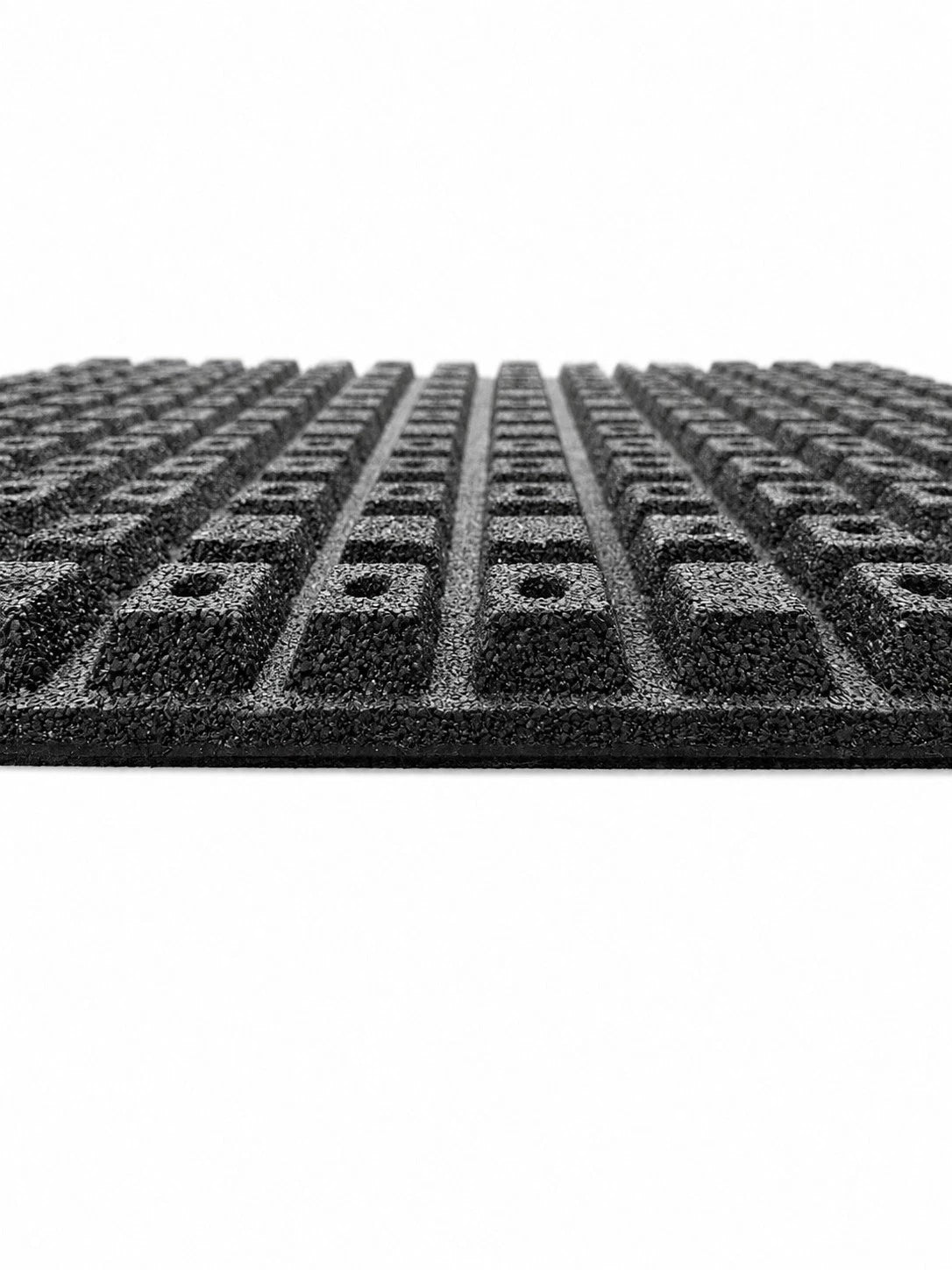
Commercial Gym Rubber Floor Tile 100x100cm 45mm Heavy Duty Weightlifting
- Regular price
- £70.74
- Regular price
-
- Sale price
- £70.74
- Unit price
- per
Couldn't load pickup availability


Shipping and Returns
Estimated delivery times:
- Standard Delivery: 3–5 working days after dispatch
- Large or Bulk Orders: Delivery times may vary depending on product quantity and availability
Please note that delivery times are estimates and may be affected by:
- Courier delays
- Weather conditions
- Public holidays
- Unforeseen circumstances outside our control
We will always aim to keep customers informed of any significant delays.
Have a question?
Notified by email when this product becomes available

- Description
- Specifications
- Frequently Asked Questions
- Product Reviews
-
Rubber Tile
-
45mm Thickness
-
100x100cm Square Format
-
Heavy-Duty Rubber Flooring for Weightlifting Areas
-
Commercial Gym Flooring Designed for Training Spaces with Heavy Equipment
Heavy-Duty Flooring for Commercial Weightlifting Areas
Weightlifting areas place different demands on flooring compared with general fitness spaces. Repeated equipment movement, loaded barbells and dropped weights can put considerable stress on the surface beneath. A 45mm-thick rubber gym floor tile provides a substantial flooring option for training environments where a thicker, more robust surface is required.
Measuring 100x100cm, each tile covers a one-square-metre area. This format makes it easier to calculate the quantity needed for a commercial gym, dedicated lifting zone or home training space. The square design also allows multiple tiles to be arranged together to create a consistent flooring area.
Why 45mm Rubber Thickness Matters for Weight Training
Thickness is an important consideration when selecting gym flooring for weightlifting. Thinner exercise mats are generally intended for lighter activities, whereas a 45mm rubber tile offers a considerably thicker surface for areas where heavy training equipment is used.
The additional material provides a substantial flooring layer between gym equipment and the underlying floor. This makes the tile a relevant option for dedicated strength-training areas where flooring thickness is a key purchasing consideration.
The actual level of impact protection will depend on the weight of the equipment, the type of flooring beneath and the conditions of use. For demanding lifting environments, the suitability of the complete floor setup should be considered rather than relying on thickness alone.
One-Metre Square Format for Flexible Gym Layouts
The 100x100cm dimensions provide a practical format for planning different training areas. Individual tiles can be positioned to cover a designated lifting zone or combined to create a larger rubber flooring surface.
For commercial facilities, this square format makes floor coverage easier to calculate. It can also help separate weightlifting areas from cardio equipment, stretching zones and general exercise spaces.
Before purchasing, measure the intended installation area and account for any additional space required around lifting equipment. Accurate measurements help avoid ordering too few or too many tiles.
Rubber Construction for Strength Training Environments
Rubber is a commonly selected material for gym flooring because it provides a firm, functional surface for exercise equipment and training activities. This tile is made from rubber and has a substantial 45mm thickness.
Its intended gym and training application makes it particularly relevant to commercial strength areas where a dedicated flooring surface is needed. The material and dimensions also make it worth considering for home gyms equipped with heavier training equipment.
However, the available product information does not specify rubber density, hardness or impact-absorption ratings. These technical details should be confirmed if your installation requires particular performance standards.
Planning Installation and Everyday Maintenance
A suitable installation surface is important for achieving a stable gym flooring arrangement. The underlying floor should be clean, level and suitable for supporting the combined weight of the tiles and training equipment.
Measure the area before positioning the tiles and check that the finished layout does not create uneven transitions or exposed edges that could interfere with movement. For commercial weightlifting areas, consider how the flooring will interact with equipment placement and regular training activity.
Routine cleaning can help prevent dust and debris from accumulating on the rubber surface. Use a cleaning method appropriate for rubber flooring and allow the surface to dry before returning equipment to the area.
Is This 45mm Gym Tile Right for Your Training Space?
This tile is worth considering when your priority is a thick rubber flooring option for weightlifting and strength-training environments. Its 100x100cm dimensions provide straightforward coverage calculations, while the 45mm thickness distinguishes it from thinner general-purpose exercise mats.
It may suit commercial gyms, dedicated lifting platforms and home strength-training spaces. Before choosing it, consider the floor underneath, the type of equipment being used and the available installation space.
The listed condition is used, so buyers should also inspect the item's actual cosmetic condition before installation. This is particularly important when purchasing tiles for a large commercial flooring project where a consistent appearance may be required.