
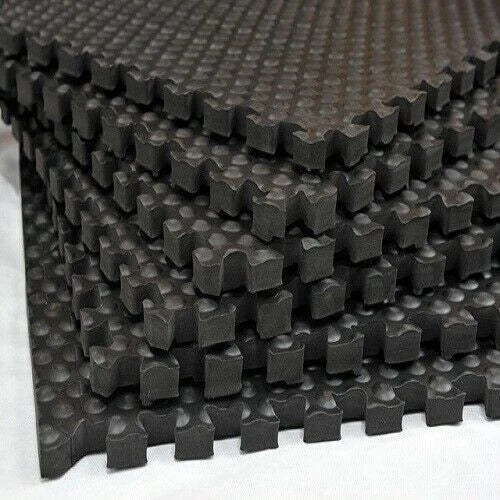

Horse Mats | EVA Comfort Stable 24mm Interlocking 2ftx 2ft Mat - 3 Boxes ( Mats)
- Regular price
- £470.00
- Regular price
-
- Sale price
- £470.00
- Unit price
- per


Horse Mats | EVA Comfort Stable 24mm Interlocking 2ftx 2ft Mat - 4 Boxes ( Mats)
- Regular price
- £494.00
- Regular price
-
- Sale price
- £494.00
- Unit price
- per
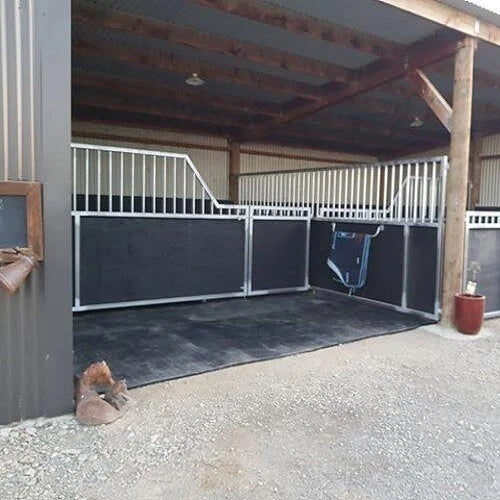
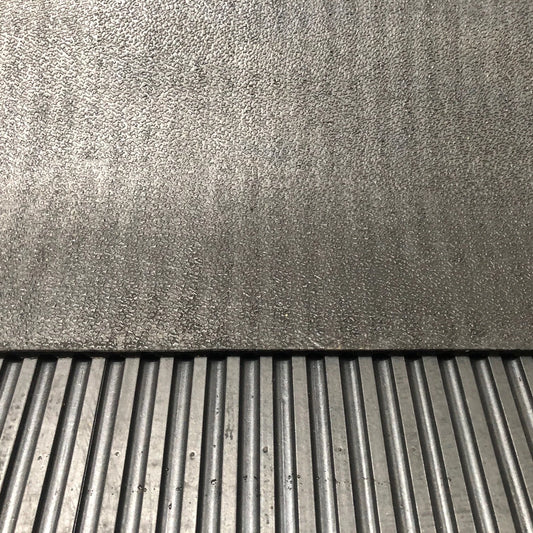
Horse Stable Mats | 18 Mat Pack | 18mm Heavy Duty Rubber | 1800 x 1200mm
- Regular price
- £2,172.00
- Regular price
-
- Sale price
- £2,172.00
- Unit price
- per
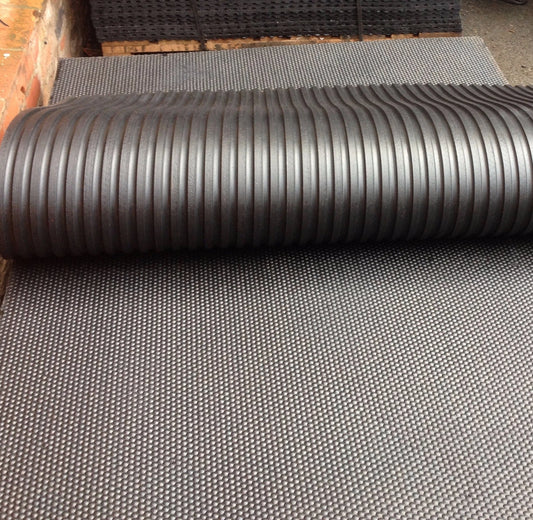
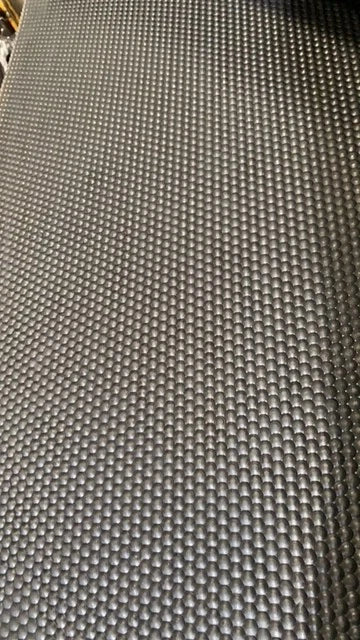
Heavy Duty Rubber horse stable horsebox garage mat 6ftx4ft 12mm
- Regular price
- £112.47
- Regular price
-
- Sale price
- £112.47
- Unit price
- per
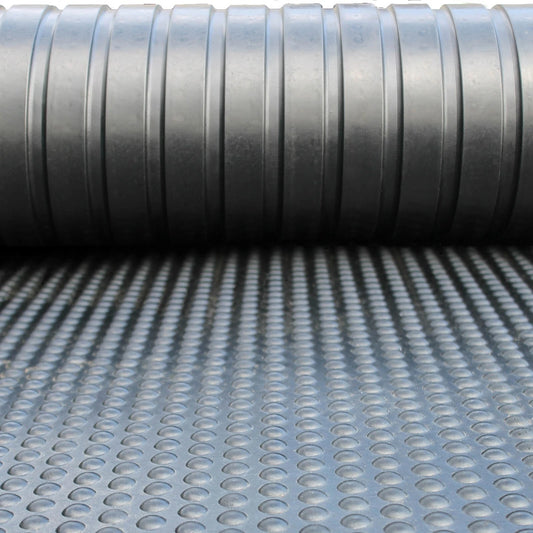
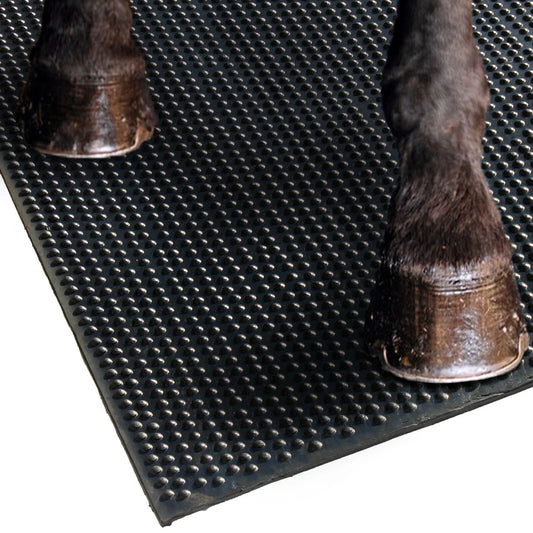
Rubber Stable Horse Mat 6x4ft 10mm Heavy Duty Equine Matting Non Slip Flooring
- Regular price
- £109.97
- Regular price
-
- Sale price
- £109.97
- Unit price
- per
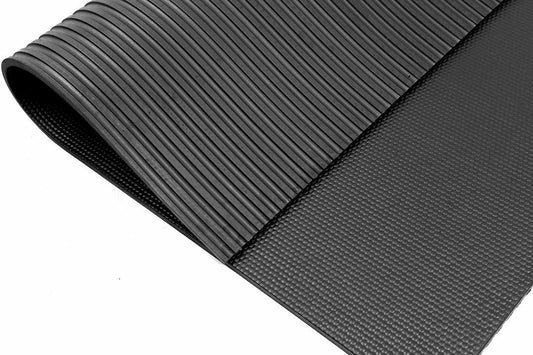
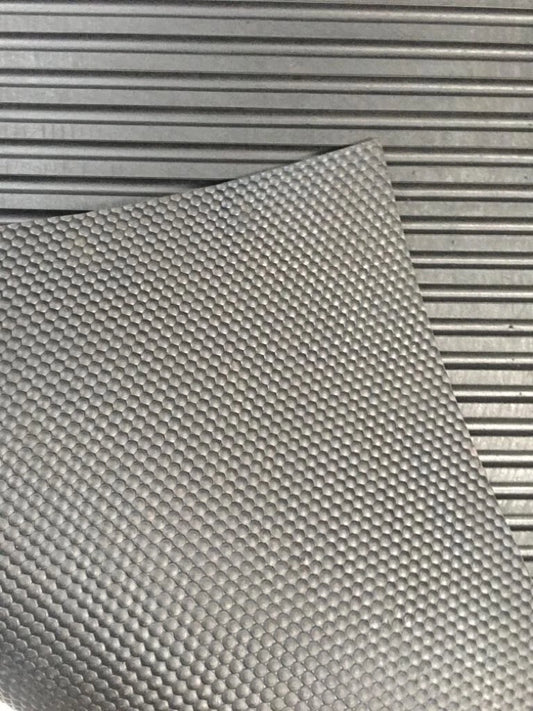
Heavy Duty Rubber Hammer Top Stable/Pony/Gym/Garage/ Mats Size- 6X4ft X12mm
- Regular price
- £99.97
- Regular price
-
- Sale price
- £99.97
- Unit price
- per
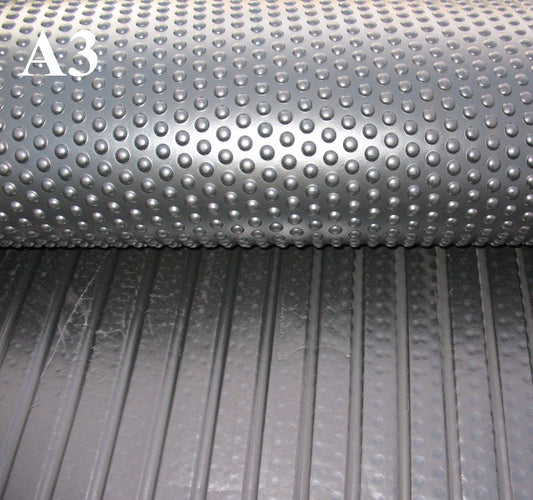
2 x 6 x 4ft Bubbletop Horse Pony Stable Matting | 18mm Thick | Heavy Duty Rubber
- Regular price
- £384.88
- Regular price
-
- Sale price
- £384.88
- Unit price
- per
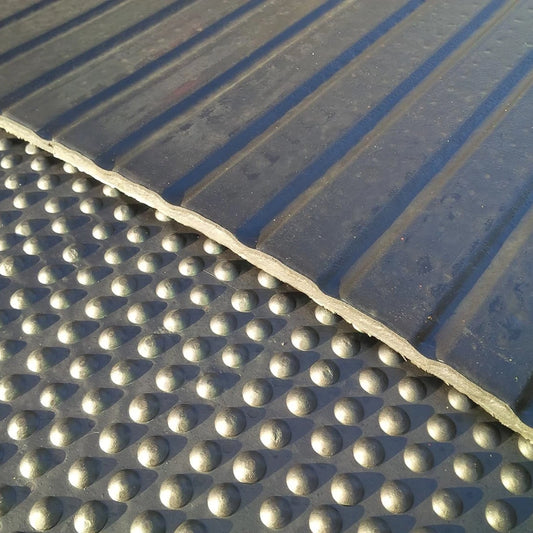
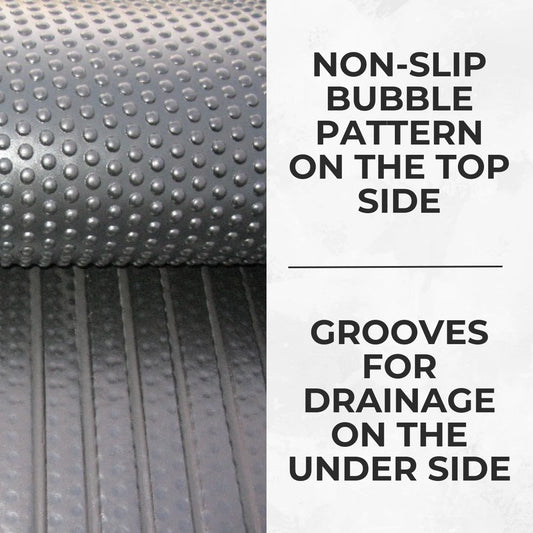
Bubbletop Rubber Stable Floor Matting 6ft x 4ft x 12mm Quality Horse Pony Mats
- Regular price
- £107.38
- Regular price
-
- Sale price
- £107.38
- Unit price
- per

6 x 4ft Bubbletop Horse Pony Stable Mat | 17mm Thick | Heavy Duty Rubber Matting
- Regular price
- £149.97
- Regular price
-
- Sale price
- £149.97
- Unit price
- per


Premium Rubber Stable Mats for Complete Equine Comfort & Flooring Protection
Managing a clean, safe, and comfortable environment for horses requires a balance between heavy-duty durability and practical daily maintenance. Traditional concrete stable floors are harsh on equine joints, retain cold dampness, and consume massive amounts of bedding material. Installing dedicated rubber stable mats transforms cold, hard surfaces into supportive, insulated spaces that improve animal welfare while reducing labor and bedding costs.
At BuyWithUs Matting, we design commercial-grade stable matting tailored to withstand heavy hoof traffic, moisture, and intense daily cleaning routines across UK yards and equestrian centers.
Why Quality Stable Matting Matters for Equine Health
Equine stall floors endure continuous weight, impacts, and exposure to moisture. Standing on bare concrete for extended periods subjects horses to joint stress, hock sores, and respiratory challenges brought on by trapped ammonia and excess dust.
High-impact stable mats act as an ergonomic barrier, offering essential thermal insulation against sub-zero ground temperatures while absorbing kinetic pressure when horses lie down or stand.
-
Superior Thermal Insulation: Keeps cold ground dampness away from horse hooves and muscles.
-
Impact & Joint Protection: Cushions tendons, hocks, and joints during rest and movement.
-
Dust & Respiratory Reduction: Minimizes the need for deep straw bedding, keeping airborne particles low.
-
Substantial Cost Savings: Reduces straw and wood-shaving consumption by up to 60%.
When fitting out dedicated stalls or larger stables, combining high-grade horse stable mats with properly sloped drainage ensures a hygienic environment that remains dry and easy to muck out every morning.
Key Features of Commercial Rubber Stable Mats
Not all rubber flooring provides the same level of resistance or comfort under heavy livestock. Premium mats for stables are manufactured using high-density vulcanized rubber or heavy-duty EVA compounds to resist compression over time.
Anti-Slip Surface Textures
Safety inside the stable relies heavily on surface traction. Whether choosing standard bubble-top patterns, cobble-top textures, or ribbed finishes, high-traction tops prevent dangerous slips when horses move around or stand up from a lying position.
Underside Drainage Channels
Stagnant moisture beneath flooring leads to unpleasant odors and bacteria build-up. Grooved or channeled undersides allow liquids to flow naturally toward drainage points, keeping the top surface drier and extending the lifespan of your floor structure.
High-Density Wear Resistance
Heavy equine breeds demand maximum tear resistance. Utilizing heavy duty stable mats prevents mat warping, edge tearing, and shifting under rotational hoof pressure.
Choosing the Right Style: Interlocking vs. Straight-Edge Mats
Selecting the right layout style depends on stable dimensions, cleaning frequency, and whether the installation is permanent or semi-temporary.
|
Feature |
Interlocking Stable Mats |
Straight-Edge Rubber Mats |
|
Edge Fitting |
Precision-cut puzzle edges |
Square-cut flush edges |
|
Seamless Fit |
Excellent (prevents bedding slip underneath) |
Good (may require tight wall trimming) |
|
Installation Ease |
Quick drop-in installation |
Requires precise butt-joint alignment |
|
Best For |
Permanent stalls & high-traffic boxes |
Standard rectangular stables & passageways |
For yards seeking a tight, seamless floor barrier that prevents bedding from creeping between seams, choosing interlocking mats eliminates mat separation and keeps subfloors cleaner over long periods.
Broad Applications Across Stables, Wash Bays, and Passageways
While equine stalls are the primary application for a stable mat, heavy-duty rubber flooring provides equal value across other areas of your equestrian facility:
-
Equine Stalls & Loose Boxes: Creates a soft, insulated base for resting and sleeping.
-
Wash Bays & Grooming Areas: Provides excellent wet-grip traction for safe washing and shoeing.
-
Barn Passageways: Deadens hoof noise, minimizes dust, and presents a clean, professional look across aisleways.
-
Tack Rooms & Feed Stores: Offers durable moisture protection and clean footing for staff.
If you are upgrading non-equine sections of your farm, gym, or workspace, explore our complete selection of commercial rubber flooring matting to find specialized roll rubber, anti-fatigue tiles, and protective matting solutions.
Frequently Asked Questions
What thickness of rubber stable mats do I need for my horses?
For general equine use and average-sized horses, 17mm to 18mm solid vulcanized rubber mats offer the optimal balance of durability, joint cushioning, and thermal insulation. For lighter pony stalls or temporary installations, high-density 20mm to 24mm EVA mats provide excellent comfort with lighter handling weights, whereas heavy horses or breeding stalls perform best with 18mm solid heavy-duty rubber.
Do stable mats completely eliminate the need for bedding?
While rubber stable mats drastically reduce the amount of bedding required, a thin layer of bedding is still recommended. Rubber provides thermal insulation and joint comfort, but bedding is necessary to absorb liquid waste and moisture. Using a light layer of wood shavings or dust-free bedding over your mats maintains hygiene while cutting overall bedding costs by 50% to 70%.
How do I properly clean and maintain rubber stable mats?
Daily maintenance involves removing solid waste and damp bedding using a blunt plastic fork to avoid gouging the rubber. On a monthly or quarterly basis, lift or pull back the mats to hose down the underside and sweep out any trapped debris. Using a mild equine-safe disinfectant helps control bacteria and neutralizes urine odors without degrading the natural or recycled rubber compound.
Can rubber stable mats be cut to fit non-standard stall dimensions?
Yes, heavy-duty rubber stable mats can be easily trimmed to fit bespoke stall shapes, support pillars, or drainage outlets. Use a sharp utility knife dipped in soapy water (which acts as a lubricant for smooth cutting) along a straight metal edge. Take multiple shallow passes along the cut line rather than trying to slice through the full rubber thickness in one stroke.
How do I prevent stable mats from slipping or moving apart?
To prevent mat movement, ensure the concrete floor beneath is level and clean before laying the mats. Fitting mats tightly wall-to-wall leaves minimal room for shifting. Alternatively, using interlocking puzzle-edge mats creates a single unified surface that locks together, preventing individual mats from sliding apart under heavy hoof traffic.
Are rubber mats suitable for horses with respiratory issues?
Yes, rubber mats are strongly recommended for horses with COPD, dust allergies, or general respiratory sensitivities. Because rubber mats eliminate the need for deep straw bedding—a major source of mold spores and airborne dust—the overall air quality in the stall improves significantly, allowing horses to breathe easier.
Will urine damage or rot rubber stable matting over time?
High-quality vulcanized rubber and high-density EVA compounds are non-porous and naturally resistant to urine and moisture degradation. Provided the stable has adequate floor slope and drainage grooves underneath the mats to allow liquid runoff, the rubber will not rot, crumble, or break down when exposed to daily animal waste.
Can stable mats be installed directly over dirt or crushed stone floors?
While solid concrete or smooth tarmac is the ideal foundation for stable matting, mats can be installed over well-compacted earth, gravel, or crushed stone. The base must be completely level, firm, and well-drained to prevent the mats from sagging into soft spots or creating uneven, hazardous seams over time.
How do rubber stable mats help insulate against winter cold?
Rubber possesses low thermal conductivity, meaning it does not transfer cold from the ground to the horse's body like concrete or earth does. By blocking cold ground temperatures from radiating upward, rubber mats help horses retain body heat when lying down, reducing muscle stiffness during cold winter months.
How long do commercial rubber stable mats typically last?
Under standard daily use with average-sized horses, high-grade vulcanized rubber stable mats typically last between 10 to 15 years or longer. Their dense construction resists compression, hoof wear, and cleaning chemicals, making them one of the most cost-effective long-term investments for any equestrian facility.
- Choosing a selection results in a full page refresh.