
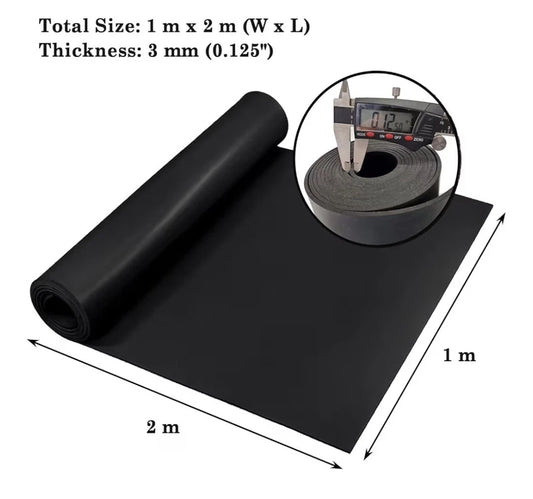
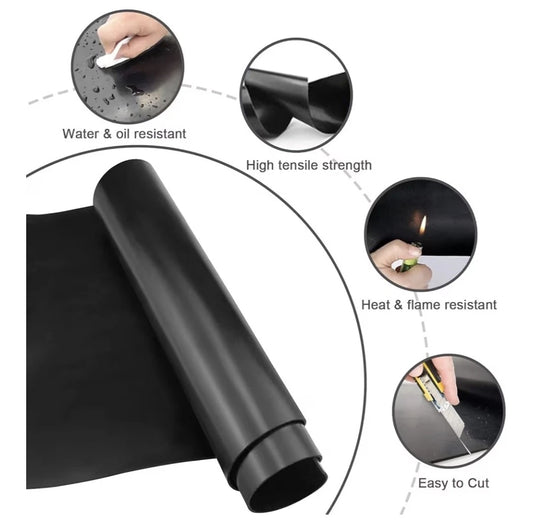
Smooth Rubber Matting Roll, 1m x 2m Heavy-Duty Garage Non Slip Mats 3mm Thick
- Regular price
- £69.25
- Regular price
-
- Sale price
- £69.25
- Unit price
- per


3mm Thick 1m Wide Heavy Duty Rubber Flooring Garage Matting Work Gym Van Shed UK
- Regular price
- £41.74
- Regular price
-
- Sale price
- £41.74
- Unit price
- per


Checker Plate Rubber Matting Roll - Heavy Duty Diamond Rubber Flooring Van Floor
- Regular price
- £53.98
- Regular price
-
- Sale price
- £53.98
- Unit price
- per


3MM Checker Heavy Duty Rubber Flooring Non Slip Matting Garage Large Diamond 1.5
- Regular price
- £39.74
- Regular price
-
- Sale price
- £39.74
- Unit price
- per


Heavy Duty Non-Slip Rubber Floor Matting Coin Garage Van Shed Car Gym 1.5m Width
- Regular price
- £44.38
- Regular price
-
- Sale price
- £44.38
- Unit price
- per


Rubber Flooring Matting Heavy Duty Mat Garage Industrial Gym Work Van Shed COIN
- Regular price
- £46.38
- Regular price
-
- Sale price
- £46.38
- Unit price
- per


Wide Ribbed Rubber Roll Flooring Matting -3mm Thick -2m Wide -Up to 15m Length
- Regular price
- £141.90
- Regular price
-
- Sale price
- £141.90
- Unit price
- per


Rubber Flooring Matting for Garage, Van Car Roll Mat, 3mm Thick Checker Pattern
- Regular price
- £79.90
- Regular price
-
- Sale price
- £79.90
- Unit price
- per


3MM Rubber Floor Matting Heavy Duty Black Anti Slip Garage Gym Checker 1.3m Wide
- Regular price
- £38.96
- Regular price
-
- Sale price
- £38.96
- Unit price
- per


Commercial Rubber Matting Solutions for UK Industry and Trade
Protecting floors, securing footways, and providing reliable underfoot traction in busy commercial environments demands surface protection built for relentless wear. In settings ranging from manufacturing plants and commercial kitchens to agricultural buildings and fitness facilities, selecting high-grade surface protection stops concrete erosion, shields delicate equipment, and safeguards workers against slips and trips.
At BuyWithUs Matting, we supply commercial-grade rubber matting directly to UK businesses, trade professionals, and facility managers who require dependable performance under heavy daily use. Understanding the structural differences across material profiles, surface textures, and backing designs ensures you select the exact format needed for your workplace layout.
Choosing the Right Surface Configuration for Your Facility
Different industrial, commercial, and agricultural environments present unique physical demands. Selecting the ideal format depends primarily on traffic density, moisture exposure, and whether you need targeted station protection or broad floor coverage
Ergonomic Workstation Protection
For staff spending long hours standing at packing desks, assembly lines, or counters, specialized anti-fatigue mats cushion joint impact and promote subtle muscle movement. This targeted cushioning reduces lower back strain and physical tiredness throughout long working shifts.
Continuous Floor and Corridor Protection
Laying down continuous protection across long walkways, utility aisles, or vehicle beds requires a flexible format that cuts cleanly around obstacles. Using a rubber matting roll allows you to cover expansive linear meters with minimal joins, creating a smooth run that protects subfloors against grease, water, and direct impact.
Heavy Impact and Load-Bearing Mats
When dealing with heavy machinery, machinery vibration, or livestock hoof pressure, selecting a dedicated heavy duty rubber mat prevents subfloor pitting and structural cracking. These thick, high-density mats absorb shock energy and remain stable under immense weight without curling at the edges.
Material Grades and Surface Texture Performance
Selecting the right compound ensures your installation remains durable, non-slip, and resilient under specific environmental exposure.
|
Profile Feature |
Commercial Grade Standard |
Operational Benefit |
|
Compound Base |
SBR, NBR, or EPDM Rubber Options |
Chemical resilience, impact absorption, and wear protection |
|
Surface Patterns |
Fine Ribbed, Checker Plate, Penny Dot, or Smooth |
Customized traction for wet, dry, or muddy conditions |
|
Thickness Options |
3mm to 20mm+ |
Versatile options ranging from thin lining to heavy shock absorption |
|
Environmental Rating |
UV, Moisture, and Temperature Resistant |
Dependable indoor and outdoor performance across UK weather conditions |
Matching Rubber Matting Thickness to Application
Selecting the right profile gauge ensures operational safety while preventing unnecessary material cost overruns.
Utility Lining and Light Protection (3mm – 5mm)
For drawer lining, workbench tops, vehicle boot interiors, and temporary floor protection, thin rubber matting provides a clean, moisture-resistant layer. It flexes easily, trims smoothly with a utility knife, and prevents tools or goods from sliding during transit.
General Commercial Traffic and Walkways (6mm – 10mm)
In retail stockrooms, public entrance halls, and fitness zones, installing rubber flooring matting balances effective underfoot grip with easy door clearance. A quality rubber mat in this gauge creates an effective acoustic barrier that dampens footfall noise across hard concrete slabs.
Industrial, Agricultural, and Machine Base Protection (12mm – 20mm+)
High-impact zones such as horse wash bays, power tool stations, and heavy machinery workshops demand maximum material density. Sourcing durable rubber matting uk stock in thicker gauges guarantees long-term wear resistance, preventing concrete damage from falling tools, metal parts, or heavy equipment.
Installation, Edge Safety, and Routine Care
Proper placement ensures maximum safety and lifespan across busy commercial spaces.
-
Subfloor Preparation: Ensure underlying concrete or timber is clean, dry, and level before laying down mats to prevent uneven wear spots.
-
Beveled Edges: For free-standing mats in pedestrian areas, select safety-beveled borders to allow smooth wheel trolley access and prevent trip hazards.
-
Cleaning Protocols: Maintain non-slip grip by sweeping away loose grit daily. Scrub periodically with warm water and mild detergent to remove oils, avoiding aggressive solvent cleaners that could degrade natural rubber compounds.
Frequently Asked Questions
What is the difference between SBR and NBR rubber matting?
SBR rubber is an economical, general-purpose compound ideal for high-impact protection and dry walkways. NBR (Nitrile) rubber is specially formulated to resist oils, grease, and chemicals, making it essential for commercial kitchens, garages, and industrial machining shops.
How do I stop loose rubber mats from sliding on smooth concrete?
Using mats with a textured underside or choosing dense, heavy rubber profiles naturally holds the surface in place through deadweight and surface friction. For lightweight mats in dry areas, double-sided floor tape provides extra stability.
Can rubber matting be used outdoors in UK winter conditions?
Yes, high-grade SBR and EPDM rubber compounds withstand frost, snow, and rain without cracking or losing flexibility. Their non-porous structure prevents water absorption, ensuring reliable non-slip grip during freezing conditions.
How do I cleanly trim thick rubber mats to fit around fixtures?
To cut rubber mats cleanly, score a line using a sharp utility knife guided by a straight steel ruler. Bend the mat slightly along the score line to open the cut, allowing the blade to slice through with minimal resistance.
What surface pattern provides the best slip resistance in wet areas?
Checker plate, penny dot, and deep ribbed surface patterns offer superior wet-weather grip by channeling water away from foot contact points, creating a high-friction surface even when wet.
Is rubber matting suitable for soundproofing commercial spaces?
Dense rubber acts as an effective sound dampener by absorbing impact energy before it vibrates through subfloors. It significantly reduces footfall noise and machinery rumble in multi-story buildings and shared commercial units.
How do I clean and disinfect rubber mats in food preparation areas?
In food or hygiene-sensitive zones, scrub grease-resistant Nitrile mats daily with hot water and food-safe detergents. Rinsing thoroughly and allowing mats to drain elevated prevents bacterial growth beneath the surface.
Can heavy machinery be driven directly over rubber matting rolls?
Yes, heavy-duty industrial rolls are engineered to handle high rolling loads, including forklifts, tool carts, and vehicles, without tearing, stretching, or leaving permanent tire impressions on the floor.
How does anti-fatigue rubber matting help workers during long shifts?
Anti-fatigue matting provides subtle cushioning that encourages micro-movements in leg muscles. This gentle movement improves blood circulation, lowers joint fatigue, and reduces discomfort across knees, hips, and the lower back.
What thickness of rubber matting is best for workbench tops?
A 3mm to 5mm thin rubber matting layer works best for workbench protection. It shields delicate tools from damage during assembly, prevents items from slipping, and stops liquid spills from soaking into wooden bench surfaces.
- Choosing a selection results in a full page refresh.