
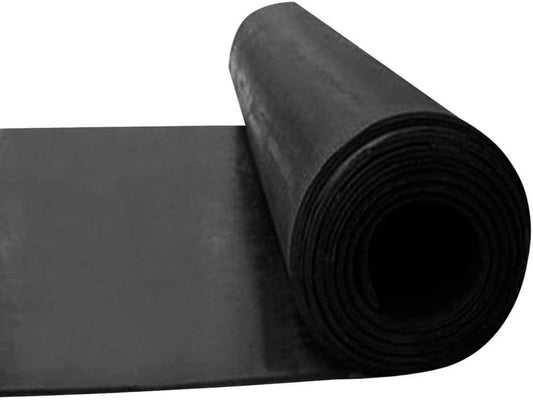
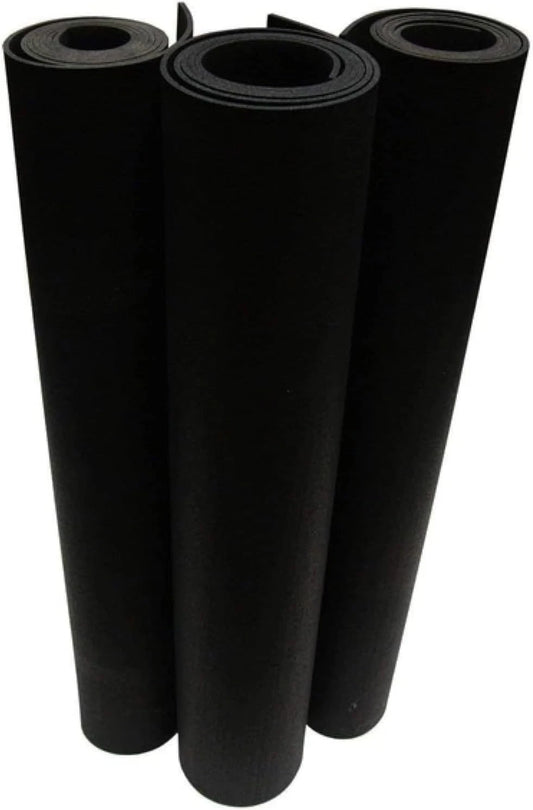
Durable Smooth Rubber Matting Roll Non Slip Floor Mat 3mm x 1m x 1m
- Regular price
- £79.97
- Regular price
-
- Sale price
- £79.97
- Unit price
- per
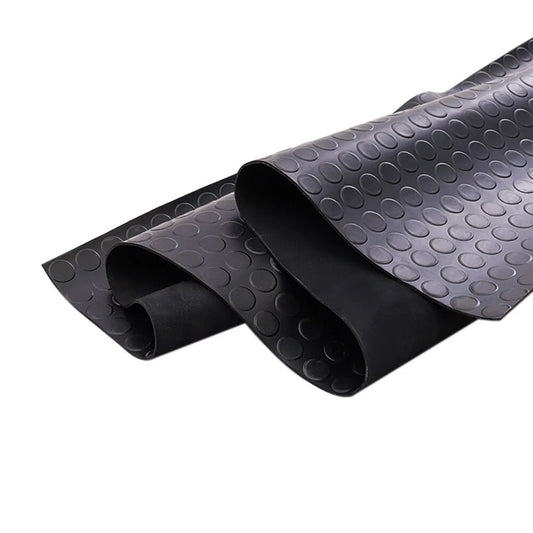
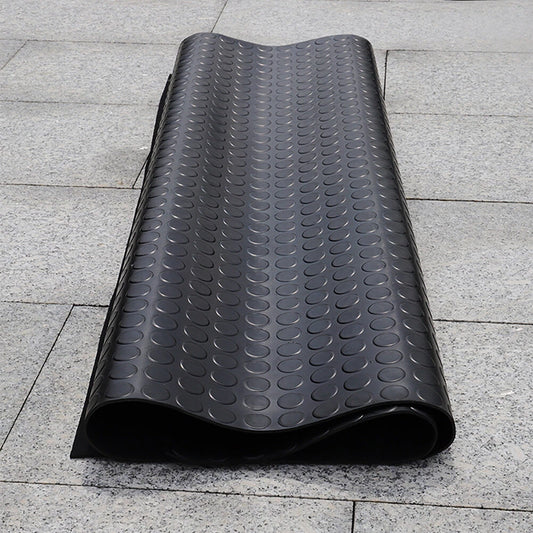
3mm Rubber Flooring Matting Heavy Duty Black Mat Anti Slip Garage Coin Dots Roll
- Regular price
- £27.38
- Regular price
-
- Sale price
- £27.38
- Unit price
- per


Smooth Rubber Roll Flooring Matting - 3mm Thick - 1.2m Wide - Up to 15m Length
- Regular price
- £187.38
- Regular price
-
- Sale price
- £187.38
- Unit price
- per


Black Rubber Matting Roll: 3mm Heavy-duty, waterproof flooring Easy to cut.
- Regular price
- £89.97
- Regular price
-
- Sale price
- £89.97
- Unit price
- per


Heavy Duty Non Slip Rubber Mat Roll, 3Mm Waterproof Flooring for Garage Gym Work
- Regular price
- £64.67
- Regular price
-
- Sale price
- £64.67
- Unit price
- per


Walkway Matting Roll Heavy Duty Rubber Outdoor Event Path Mat
- Regular price
- £549.60
- Regular price
-
- Sale price
- £549.60
- Unit price
- per


3MM THICK Rubber Mat Flooring Garage Sheeting Heavy Duty Anti-Slip Matting Rolls
- Regular price
- £42.52
- Regular price
-
- Sale price
- £42.52
- Unit price
- per


Heavy-Duty Rubber Matting Rolls for Commercial and Industrial Facilities
Protecting extensive floor areas in busy commercial, industrial, and agricultural settings requires a durable surface solution that provides continuous coverage without creating excessive seams. Unprotected subfloors like concrete, timber, and asphalt suffer from surface pitting, moisture absorption, and cracking under constant foot traffic, heavy machinery movement, and animal impact. Laying a commercial rubber matting roll delivers a resilient protective barrier that absorbs physical impact, improves slip resistance, and isolates subfloors against heavy wear across expansive layouts.
At BuyWithUs Matting, we supply commercial-grade rubber matting in continuous roll formats engineered for long-term performance across UK workshops, horse stables, transport vehicles, and industrial facilities.
Technical Advantages of Continuous Rubber Matting Sheets
Selecting long sheet rubber over individual small mats offers structural and operational advantages when outfitting wide pathways or full operational bays. Because a continuous roll minimizes joint lines, installation significantly reduces places where water, dirt, and chemical fluids can seep beneath the surface to damage subfloor foundations.
-
Seamless Physical Protection: Long continuous runs reduce seam frequency, preventing fluid pooling and dirt accumulation beneath the floor.
-
Impact and Vibration Isolation: High-density rubber matrices absorb dropped tool impacts, heavy machinery vibration, and animal hoof pressure.
-
Thermal Floor Barrier: Shields operators and livestock from cold, damp conditions rising through ground-level concrete slabs.
-
Efficient Large-Area Installation: Rolling out continuous widths speeds up coverage across long corridors, vehicle beds, and assembly lines compared to fitting individual tiles.
For facility managers outfitting wide industrial walkways or transport interiors, laying high-density rubber matting in roll format creates a uniform, slip-resistant surface that stays flat under heavy daily foot traffic.
Performance Characteristics of Commercial Rubber Matting Rolls
Selecting the right roll specification involves evaluating surface patterning, material compound, and subfloor backing to ensure long-term durability under specific operational demands.
High-Traction Surface Topographies
Slip prevention is vital in damp or oily environments. Commercial rubber rolls feature molded surface textures such as fine-ribbed, wide-ribbed, penny dot, or checker plate patterns. These raised profiles channel away surface moisture and provide high traction underfoot for workers and livestock alike.
Heavy-Duty Rubber Compounds
Heavy industrial bays and equestrian facilities require thick SBR or NR rubber formulations. Choosing a heavy duty rubber matting roll ensures high tear strength and tensile resilience, preventing stretching or gouging under heavy machinery, animal hooves, or rolling carts.
All-Weather and Outdoor Durability
When deployed in exterior walkways, ramps, or open utility vehicles, specialized weather-stabilized rubber compounds resist UV cracking, frost embrittlement, and rot. Laying a durable roll rubber matting outdoors ensures reliable surface grip and floor preservation through harsh winter weather and rain.
Comparing Rubber Roll Formats Across Industry Applications
Matching surface patterns and roll thicknesses to specific facility zones guarantees optimal performance and ease of maintenance.
|
Surface Pattern |
Best Fit Application |
Primary Performance Benefit |
|
Fine / Wide Ribbed |
Linear walkways, ramps & vehicle floors |
Channels water directionally & provides directional grip |
|
Penny Dot / Coin Top |
Commercial entrances, showrooms & workshops |
Multi-directional traction & clean modern aesthetic |
|
Checker / Diamond Plate |
Heavy industrial bays & tool prep zones |
Industrial slip resistance & high point-load protection |
For heavy equestrian setups, transport trailers, or stable corridors requiring extra thickness and cushioning, installing dedicated stable mats offers specialized shock absorption tailored for heavy animal weight and hoof impact.
Versatile Applications Across UK Commercial Properties
Continuous rubber roll matting adapts effortlessly to various demanding residential, commercial, and agricultural environments:
-
Industrial Workshops & Assembly Lines: Protects concrete floors from dropped hand tools, oil drips, and heavy foot traffic while dampening operational noise.
-
Commercial Vans & Transport Vehicles: Lines cargo beds and utility trailers to stop cargo from sliding and protect sheet metal from denting and rust.
-
Equestrian Corridors & Wash Bays: Provides safe, non-slip footing along stable passageways, horse boxes, and grooming areas where water and mud accumulate.
-
Commercial Gym Walkways & Entryways: To explore modular alternatives for free-weight zones or irregular room layouts, consider our specialized rubber flooring tiles for flexible, high-impact surface coverage.
Frequently Asked Questions
What thickness of rubber matting roll is recommended for commercial workshops?
For general walkway protection, shelf lining, and light tool areas, a 3mm to 6mm rubber roll provides adequate subfloor protection and easy trimming. However, heavy industrial workshops, machine bays, and vehicle bed linings require an 8mm to 10mm thick heavy-duty roll to absorb heavy impacts and resist tearing under rolling equipment.
Can a rubber matting roll be laid outdoors in all weather conditions?
Yes, commercial rubber matting rolls manufactured from weather-stabilized SBR or EPDM rubber handle continuous outdoor exposure. They resist UV degradation, rain, and freezing temperatures without cracking or warping, making them ideal for outdoor access ramps, garden paths, and open trailer beds.
How do you secure a rubber matting roll to concrete subfloors?
In loose-lay applications across small rooms or vehicle beds, the substantial weight of the rubber holds the roll flat in place. For high-traffic commercial walkways or exterior ramps, securing edges using heavy-duty double-sided floor tape or full-bed polyurethane adhesive prevents shifting and edge curling.
How do I cut a heavy rubber matting roll to fit custom room dimensions?
Rubber rolls trim easily using a sharp, heavy-duty utility knife along a straight metal edge. To ensure a smooth, clean cut through dense rubber, lubricate the blade with soapy water to reduce friction, making several guided, light passes along the cut line rather than forcing the blade through at once.
Are rubber matting rolls resistant to oil and chemicals?
Standard SBR rubber rolls withstand water, dirt, and mild detergent exposure. However, for environments with continuous mineral oil, hydraulic fluid, or fuel contact such as automotive workshops or machine bays specialized nitrile-blended rubber rolls are recommended to prevent swelling or softening over time.
How do you clean and maintain commercial rubber matting rolls?
Routine maintenance involves sweeping or vacuuming away loose dirt, dust, and debris. For deeper cleaning, mop the surface using warm water and a neutral-pH floor cleaner, or hose down outdoor rolls with a low-pressure power washer. Avoid petroleum-based solvent cleaners that can weaken the rubber binder.
How do rubber matting rolls perform in wet or icy weather?
Raised surface textures like ribbed, penny dot, or diamond patterns provide excellent foot traction even when wet. Water drains along the pattern channels rather than pooling on top, significantly reducing slip hazards during rainy weather or winter frost conditions.
Will heavy machinery or vehicle tires leave permanent marks on rubber rolls?
High-density rubber matting rolls feature high compression resistance designed to support vehicle tires, tool carts, and machinery without permanent crushing. While heavy static loads may create temporary surface depressions, the elastic rubber matrix rebounds to its flat profile once weight is removed.
How do I eliminate the smell of a new rubber matting roll?
New SBR rubber rolls naturally emit a mild rubber scent upon unrolling. This initial off-gassing dissipates naturally within one to two weeks when laid out in a well-ventilated space. Mopping the surface with a neutral floor cleaner speeds up scent reduction.
How long do commercial rubber matting rolls typically last?
When properly installed and cleaned with non-solvent solutions, quality commercial rubber matting rolls typically last 8 to 15 years or longer. Their tough, wear-resistant construction stands up to continuous heavy foot traffic, weather fluctuations, and mechanical impact without losing structural grip.
- Choosing a selection results in a full page refresh.