


50×200CM Black Checker Rubber Flooring Matting Heavy Duty Non‑Slip Garage Mat UK
- Regular price
- £34.98
- Regular price
-
- Sale price
- £34.98
- Unit price
- per
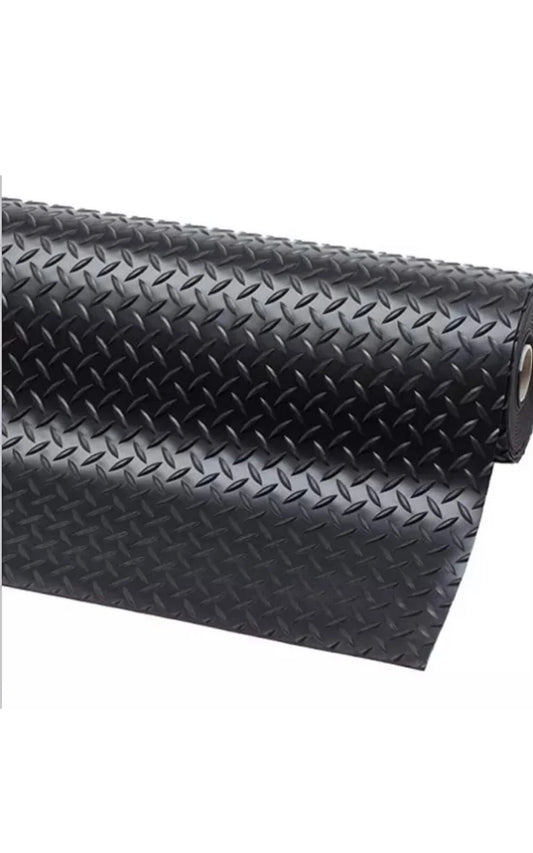
3.5MM Rubber Flooring Matting Heavy Duty Mat Anti Slip Garage Checker 1.8M wide
- Regular price
- £34.48
- Regular price
-
- Sale price
- £34.48
- Unit price
- per

PENNY/STUD ANTISLIP RUBBER GARAGE FLOOR MATTING - VARIOUS WIDTHS X 3MM THICK
- Regular price
- £55.00
- Regular price
-
- Sale price
- £55.00
- Unit price
- per
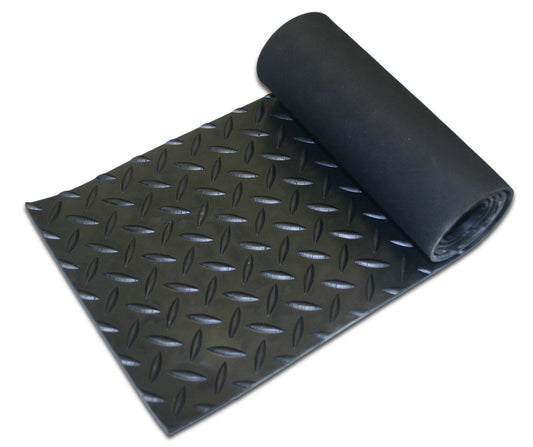
CHECKER PLATE 1 BAR/DIAMOND RUBBER GARAGE FLOORING MATTING VAR. WIDTHS 3MM THICK
- Regular price
- £55.00
- Regular price
-
- Sale price
- £55.00
- Unit price
- per
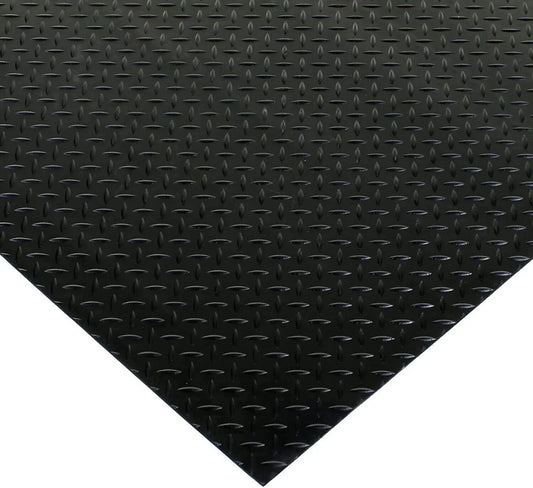

Rubber Floor Garage Matting Heavy Duty Non-Slip Industrial Work Gym Van Shed 3mm
- Regular price
- £33.73
- Regular price
-
- Sale price
- £33.73
- Unit price
- per


Heavy Duty Chequered Rubber Floor Garage Matting Industrial Work Van Shed 1.5m
- Regular price
- £32.48
- Regular price
-
- Sale price
- £32.48
- Unit price
- per


Rubber Flooring Heavy Duty Garage Matting Non-Slip Industrial Work Gym Van Shed
- Regular price
- £24.73
- Regular price
-
- Sale price
- £24.73
- Unit price
- per

3mm Thick 1m Wide Heavy Duty Rubber Flooring Garage Matting Work Gym Van Shed
- Regular price
- £27.48
- Regular price
-
- Sale price
- £27.48
- Unit price
- per


Heavy Duty Rubber Flooring Garage Matting Non-Slip Industrial Work Van Shed 1.3m
- Regular price
- £26.23
- Regular price
-
- Sale price
- £26.23
- Unit price
- per


Heavy-Duty Rubber Garage Floor Mats for Workshop and Parking Protection
Protecting concrete garage floors from oil drips, vehicle tire scuffs, tool impacts, and moisture requires a resilient surface layer engineered for severe mechanical wear. Unprotected concrete subfloors are naturally porous and prone to absorbing vehicle fluids, pitting under dropped heavy equipment, and continuously generating fine concrete dust that spreads into surrounding living spaces. Laying high-density rubber mats for garage spaces creates an impenetrable protective shield that encapsulates bare subfloors, dampens impact sound, and keeps vehicle workshops clean and low-maintenance.
At BuyWithUs Matting, we supply commercial-grade rubber garage floor coverings engineered to withstand heavy rolling vehicle loads, chemical exposure, and intense foot traffic across UK residential garages, auto repair bays, and home workshops.
Technical Advantages of Rubber Garage Floor Matting
Unlike rigid tiles or temporary floor coverings, roll-out and modular rubber garage matting offers seamless coverage combined with simple, adhesive-free installation. The dense rubber matrix flexes under point loads while absorbing heavy kinetic impacts from dropped jacks, iron machinery, and dynamic foot traffic.
-
Subfloor Pitting and Crack Prevention: Shields structural concrete slabs from chipping, surface pitting, and micro-cracking caused by heavy tools, jack stands, or severe impacts.
-
Fluid and Chemical Resistance: High-density rubber formulations resist motor oil, transmission fluids, anti-freeze, battery acids, and winter road salt slush.
-
Dust Suppression and Cleanliness: Encapsulates porous subfloors to eliminate persistent concrete dust, keeping vehicle finishes, workbenches, and adjacent home interiors clean.
-
Thermal Floor Insulation: Blocks damp cold from rising through ground-level concrete slabs, creating a warmer, more comfortable surface underfoot during winter months.
For homeowners converting vehicle bays into dedicated personal workout studios, exploring our specialized home gym flooring collection provides high-density shock-absorbing options tailored for heavy free-weight training.
Essential Structural Features of Garage Rubber Matting
Selecting the optimal garage rubber mat configuration involves evaluating rubber compound density, surface topography, and underside anchorage to match your space's specific functional demands.
High-Density SBR and Nitrile Formulations
Commercial-grade garage matting is manufactured using vulcanized SBR rubber or oil-resistant nitrile blends. This dense construction prevents surface tearing, gouging, and chemical degradation from vehicle parking and fluid spills.
High-Traction Surface Topographies
Vehicle workshops require reliable underfoot grip, especially when rain, melting snow, or wash water enters the bay. Premium garage matting features molded slip-resistant textures, including classic checker plate (diamond plate), coin top (penny dot), or fine fluted patterns that channel away liquids and debris.
Hot-Tire Pickup Immunity
Unlike painted or epoxy-coated floors that crack, peel, or lift under warm vehicle tires after long drives, solid rubber matting remains completely stable and anchored under thermal tire stress.
Comparing Rubber Garage Mat Formats Across Use Cases
Matching mat formats and surface patterns to specific workshop activities ensures maximum durability, ease of maintenance, and subfloor safety.
|
Surface Profile |
Primary Garage Application |
Key Operational Advantage |
|
Checker Plate (Diamond) |
Heavy Mechanical Workshops & Vehicle Parking |
Classic industrial look with maximum underfoot traction |
|
Coin Top (Penny Dot) |
Detailing Bays & General Parking |
Sleek aesthetic, easy rolling for tool carts & fast sweeping |
|
Fine Ribbed / Fluted |
Entry Thresholds & Utility Zones |
Captures fine grit, channels water & prevents slip hazards |
For expansive commercial bays, fleet garages, or industrial storage areas requiring broad wall-to-wall coverage, laying broad rubber matting rolls provides an efficient, low-seam surface layout.
Multi-Functional Applications Across UK Facilities
Commercial-grade rubber garage floor coverings deliver reliable, long-lasting performance across diverse domestic and commercial environments:
-
Residential Garages & Parking Bays: Protects underlying concrete from hot tire marks, oil leaks, and road salt corrosion while creating a sleek, organized space.
-
Mechanic Workshops & Detailing Bays: Provides a durable, oil-resistant surface layer that tolerates rolling tool cabinets, trolley jacks, and chemical cleaning agents.
-
Ergonomic Workstation Zones: For home workshop areas where technicians stand for extended hours, integrating specialized anti-fatigue mats relieves leg strain and promotes healthy circulation.
-
Modular Layout Solutions: For homeowners or commercial facilities seeking interlocking puzzle-style layouts over large or irregular spaces, explore our full garage floor tiles range for versatile modular options.
Frequently Asked Questions
Can rubber garage mats support the weight of heavy cars and trolley jacks?
Yes, commercial-grade rubber garage mats are manufactured from dense SBR rubber engineered specifically to support cars, SUVs, vans, trolley jacks, and axle stands. Their dense structure handles heavy static compression without tearing, cracking, or permanent deformation.
Do rubber garage floor mats suffer from hot tire pickup?
No, rubber garage floor mats do not suffer from hot tire pickup. While epoxy paints and garage floor coatings often peel off when hot tires sit on them after driving, solid rubber matting forms a stable mechanical barrier that remains unaffected by tire heat.
Do I need to glue rubber garage mats to the concrete floor?
In most residential and commercial garage setups, rubber mats do not require full-surface adhesive. Their heavy weight and high-friction rubber underside hold the layout securely flat. Adhesive is only recommended across high-traffic commercial drive-in thresholds or areas exposed to direct sunlight along open garage doors.
How do you clean and maintain rubber matting for garage floors?
Routine cleaning involves sweeping or vacuuming away leaves, dirt, and dust. For deeper cleaning, mop the surface using warm water mixed with a neutral-pH floor cleaner. Motor oil, fluid leaks, or grease spills should be wiped promptly using an absorbent rag or mild floor degreaser.
Can rubber garage mats be laid over damaged or cracked concrete?
Yes, heavy-duty rubber garage mats can be installed directly over pitted, cracked, or stained concrete subfloors without prior surface levelling. The resilient rubber layer bridges small cracks and minor imperfections, instantly creating a smooth, clean finish.
Are rubber garage floor coverings oil-resistant and waterproof?
High-density vulcanized SBR and nitrile rubber mats are non-porous and water-resistant, keeping moisture, road salt slush, and vehicle fluids from penetrating through to the subfloor. Prompt cleaning of concentrated chemical drips prevents long-term surface staining.
How do you cut rubber garage mats to fit wall perimeters and pillars?
Rubber garage matting cuts cleanly using a sharp, heavy-duty utility knife along a straight metal rule. To make clean passes through thick rubber, lubricate the knife blade with soapy water to reduce friction, making several shallow passes along the cut line.
Will water get trapped underneath rubber garage matting?
Dense rubber mats feature textured undersides with subtle micro-channels that allow minor condensation to evaporate naturally. For garages exposed to heavy snow or rain, ensuring the concrete subfloor has a slight slope toward the door allows trapped moisture to drain effectively.
Do new rubber garage floor mats have a strong smell?
New SBR rubber garage mats naturally emit a mild rubber scent upon unboxing. This initial scent dissipates naturally within one to two weeks when installed in a well-ventilated space. Mopping the mats with warm water and a neutral cleaner helps accelerate scent reduction.
How long do heavy-duty rubber garage floor mats typically last?
When properly installed and maintained with non-solvent cleaning solutions, quality commercial-grade rubber garage floor mats typically last 10 to 15 years or longer, maintaining their structural strength and protective qualities under daily vehicle use.
- Choosing a selection results in a full page refresh.