


Coin Rubber Roll Flooring | 3mm Thick | 1m Wide | Up to 15m Length
- Regular price
- £44.88
- Regular price
-
- Sale price
- £44.88
- Unit price
- per


Coin Rubber Roll Flooring | 3mm Thick | 1.5m Wide | Up to 15m Length
- Regular price
- £49.88
- Regular price
-
- Sale price
- £49.88
- Unit price
- per


Coin Rubber Roll Flooring Matting - 4mm Thick - 1m Wide - Up to 15m Length
- Regular price
- £49.98
- Regular price
-
- Sale price
- £49.98
- Unit price
- per
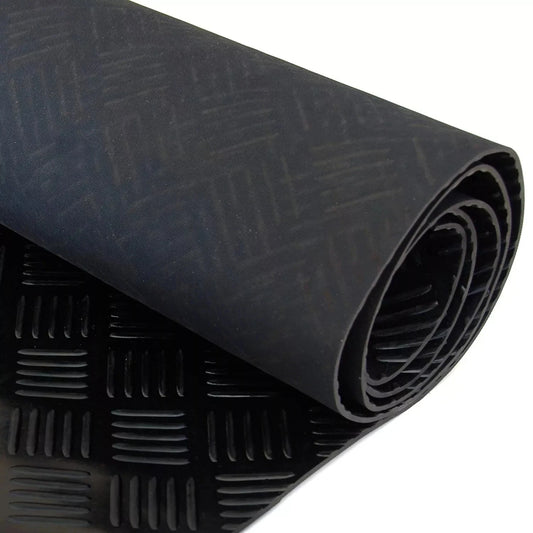

1.5m Wide 5 Bar Checker Rubber Flooring Roll – 5mm Thick Heavy Duty Anti-Slip Ga
- Regular price
- £49.98
- Regular price
-
- Sale price
- £49.98
- Unit price
- per


1.8m Wide 5 Bar Checker Rubber Flooring Roll
- Regular price
- £56.23
- Regular price
-
- Sale price
- £56.23
- Unit price
- per
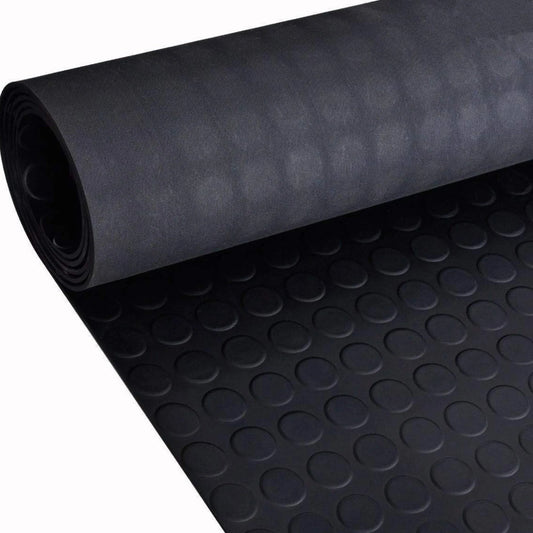
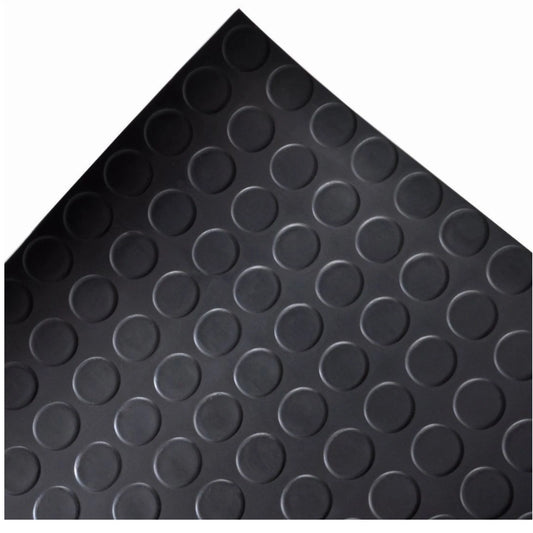
Coin Rubber Roll Flooring | 3mm Thick | 1.8m Wide | Up to 15m Length
- Regular price
- £127.38
- Regular price
-
- Sale price
- £127.38
- Unit price
- per
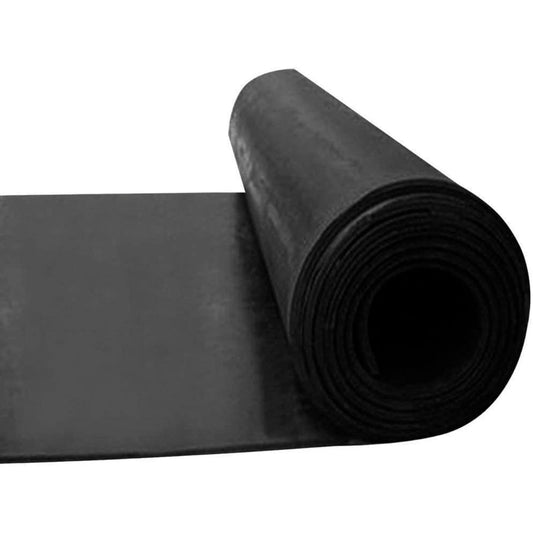
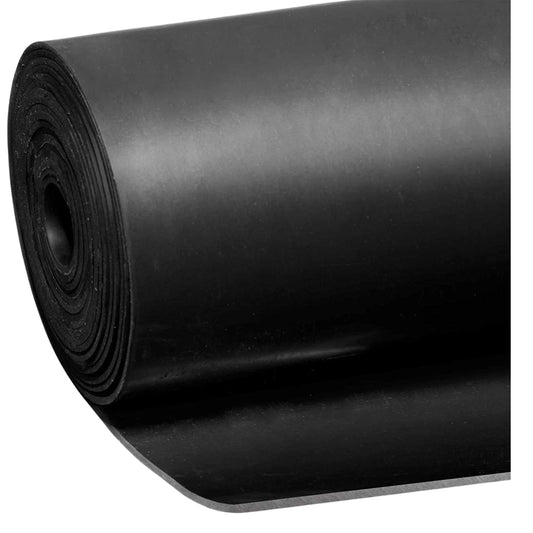
Smooth Rubber Roll Flooring | 3mm Thick | 1m Wide | Up to 15m Length
- Regular price
- £42.38
- Regular price
-
- Sale price
- £42.38
- Unit price
- per


Premium Commercial Rubber Flooring Rolls for Large-Scale Facilities
Outfitting wide, high-traffic spaces with durable floor protection requires a surface solution that minimizes visible seams while standing up to constant impact, heavy machinery, and continuous foot traffic. Large commercial fitness centers, sports arenas, industrial workshops, and equestrian facilities often struggle with subfloor wear, surface slippage, and excessive noise. Laying commercial-grade rubber flooring rolls delivers a smooth, heavy-duty protective layer that covers expansive square footage efficiently while shielding underlying concrete or timber subfloors from structural degradation.
At BuyWithUs Matting, we supply commercial rolled rubber flooring options tailored to the needs of UK gym operators, commercial property managers, and fitness facility owners who require long-term resilience and professional surface aesthetics.
Technical Advantages of Continuous Rolled Rubber Flooring
Choosing sheet rubber over smaller modular formats offers distinct mechanical and aesthetic benefits for large open spaces. Because rolled rubber comes in long continuous sheets, installation drastically reduces the total number of surface seams, creating a sleek look that prevents dirt, sweat, and moisture from accumulating between joints.
-
Seamless Hygiene Control: Fewer surface joints mean sweat, spilled liquids, and dirt cannot easily penetrate beneath the floor to cause bacteria buildup or subfloor moisture damage.
-
Acoustic and Shock Isolation: Dense EPDM and SBR rubber matrices absorb dropped weight impacts, dampening ambient noise levels and subfloor acoustic transfer across multi-story buildings.
-
High-Traffic Endurance: Designed to handle continuous foot traffic, heavy cardio machines, and rolling equipment loads without stretching, rippling, or tearing.
-
Cost-Effective Large-Area Coverage: Rolling out continuous wide sheets lowers installation labor time across broad commercial floor plans compared to laying individual modular units.
For facility managers outfitting wide functional training zones, choosing high-density rubber flooring rolls ensures an even, slip-resistant surface that provides uniform traction underfoot across every square meter.
Core Characteristics of Commercial Rubber Flooring Rolls
Not all rolled rubber products perform identically under heavy impact or static weight. High-grade rubber gym flooring rolls are manufactured using precision-bound SBR recycled rubber granules, often blended with vibrant EPDM color flecks to improve visual appeal and hide surface scuffs.
Density and Tensile Strength
Commercial-grade rolled rubber relies on high polyurethane binder ratios combined with fine rubber granules. This high tensile strength ensures the sheet resists tearing under heavy equipment movement while maintaining structural integrity under high static loads.
Subfloor Moisture and Temperature Resistance
Unbonded subfloors in ground-level or basement facilities often release ambient moisture. Sheet rubber creates an effective vapor barrier while insulating against cold temperatures rising from underlying concrete slabs, maintaining a comfortable ambient surface underfoot.
Surface Traction and Cleanability
Textured or fine-grained finishes ensure stable footing during dynamic athletic movements, wet shoes, or sweat drips. The smooth, non-porous finish allows fast cleaning with standard industrial vacuums, auto-scrubbers, or damp mops.
Comparing Rolled Sheet Rubber with Interlocking Modular Systems
Deciding whether to install full rolls or modular tiles comes down to total room square footage, budget, and the specific activities performed in each zone.
|
Feature / Property |
Continuous Rubber Flooring Rolls |
Modular Rubber Tiles |
|
Best Room Size |
Large, open spaces (50+ sq meters) |
Compact rooms, irregular layouts, or temporary zones |
|
Seam Footprint |
Minimal seams across wide spans |
Multiple interlocking joints across the floor |
|
Installation Speed |
Rapid broad coverage using full rolls |
Single tile fitting around corners and obstacles |
|
Impact Absorption |
Standard protection (typically 4mm to 10mm) |
Heavy impact protection (typically 15mm to 40mm) |
While full sheets excel at covering large cardio areas, functional fitness bays, and athletic tracks, heavy free-weight zones subject to frequent high-altitude barbell drops often benefit from heavy-duty rubber flooring tiles to maximize localized shock absorption and protect subfloors.
Versatile Applications Across UK Commercial Facilities
High-density sheet rubber adapts smoothly across various demanding commercial and domestic environments:
-
Commercial Health Clubs and Fitness Centers: Provides non-slip traction under cardio equipment, selectorized strength machines, and functional turf borders.
-
Sports Arenas and Ice Rink Perimeter Walkways: Protects ice skate blades and concrete subfloors from heavy wear along player pathways and locker rooms.
-
Equestrian and Animal Care Facilities: Creates an easy-to-clean, shock-absorbing surface across stable corridors, wash bays, and veterinary exam rooms.
-
Commercial Storage and Assembly Garages: Shields concrete floors against chemical spills, heavy rolling carts, and tool cabinet abrasion.
Frequently Asked Questions
What thickness of rolled rubber flooring is best for commercial gyms?
For cardio zones, machine areas, and general foot traffic, a 6mm to 8mm thickness provides excellent subfloor protection and sound dampening. If the area includes light free weights or dumbbell racks, a 9.5mm to 10mm thick rubber roll is recommended to absorb higher impact energy and protect subfloor concrete slabs from cracking.
Do rubber flooring rolls need to be glued down during installation?
In large commercial spaces or high-traffic areas, full-bed adhesive bonding with polyurethane floor glue is recommended to prevent shifting, rippling, or seam separation under heavy equipment loads. For smaller residential setups or light cardio rooms, tape-down installation using heavy-duty double-sided carpet tape along edges and seams is often sufficient.
How do I cut a heavy rubber flooring roll to fit around walls and pillars?
Rubber rolls can be trimmed using a sharp, heavy-duty utility knife along a straight metal edge. To ensure a smooth, clean cut through dense rubber, lubricate the knife blade with soapy water to reduce friction, and make several light, guided passes along the cut line rather than forcing the blade through in a single pass.
Can rubber gym flooring rolls be installed over underfloor heating?
Yes, high-density rubber rolls can generally be installed over underfloor heating systems, provided the surface temperature does not exceed standard limits (typically 27°C). Because rubber acts as an insulator, heat transfer through thicker rolls may take slightly longer, but the material itself will not warp or emit harmful off-gassing under normal temperatures.
How do you clean and maintain rolled rubber flooring?
Daily maintenance requires sweeping or vacuuming away loose dirt, dust, and debris. For deeper cleaning, mop the floor using warm water mixed with a mild, neutral-pH floor cleaner. Avoid harsh petroleum-based solvent cleaners, bleach, or citrus-based solutions, as acidic or oily chemicals can weaken the polyurethane rubber binder over time.
Are rubber flooring rolls waterproof?
Rubber itself is inherently water-resistant, making sheet flooring excellent at protecting subfloors from sweat drips, spilled drinks, and tracked-in rainwater. However, moisture can seep through unsealed seams between rolls if liquid pools on the surface for extended periods, so prompt cleaning of large spills is always recommended.
How do I eliminate the smell of new rubber flooring rolls?
New vulcanized or SBR rubber rolls naturally emit a mild, characteristic rubber scent upon unrolling. This initial off-gassing dissipates significantly within two to three weeks when installed in a well-ventilated room. Mopping the floor with a neutral-pH cleaner and keeping windows open or fans running speeds up the process.
Can rubber flooring rolls handle heavy machinery and rolling loads?
Yes, commercial-grade rolled rubber features high compression resistance engineered to handle heavy static weight from commercial treadmills, power racks, and rolling equipment carts. High tensile strength ensures the material resists tearing or scuffing when heavy equipment is shifted across the surface.
How do you secure seams between rubber flooring rolls?
Seams between adjacent rubber rolls are secured by tight edge-to-edge butt-jointing during installation. Applying polyurethane seam adhesive or heavy-duty double-sided flooring tape directly beneath the seam line holds the joint flush, preventing edges from curling, collecting debris, or creating trip hazards.
How long do commercial rubber flooring rolls last under heavy use?
When properly installed using quality adhesives and maintained with neutral cleaning solutions, commercial rubber flooring rolls typically last 10 to 15 years or longer. Their dense SBR construction resists heavy daily foot traffic, equipment wear, and seasonal humidity changes without losing structural flexibility or surface grip.
- Choosing a selection results in a full page refresh.