


Horse Mats | EVA Comfort Stable 24mm Interlocking 2ftx 2ft Mat - 4 Boxes ( Mats)
- Regular price
- £494.00
- Regular price
-
- Sale price
- £494.00
- Unit price
- per


18mm Heavy Duty Rubber Mat 6x4ft Interlocking Gym Flooring Garage Stable mats
- Regular price
- £169.48
- Regular price
-
- Sale price
- £169.48
- Unit price
- per
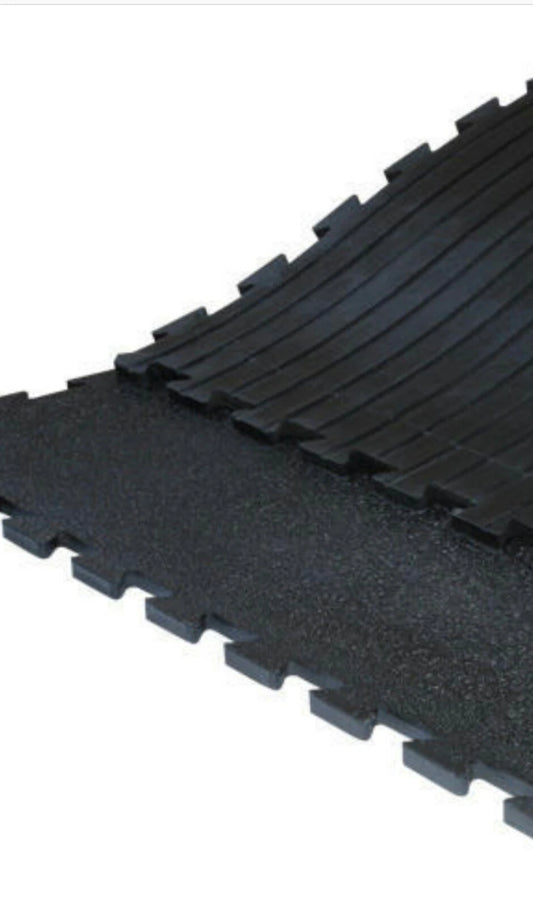
Amoebic top Rubber Stable Mat 6ftx4ft 18mm Horse Mats Interlocking heavy duty
- Regular price
- £139.97
- Regular price
-
- Sale price
- £139.97
- Unit price
- per
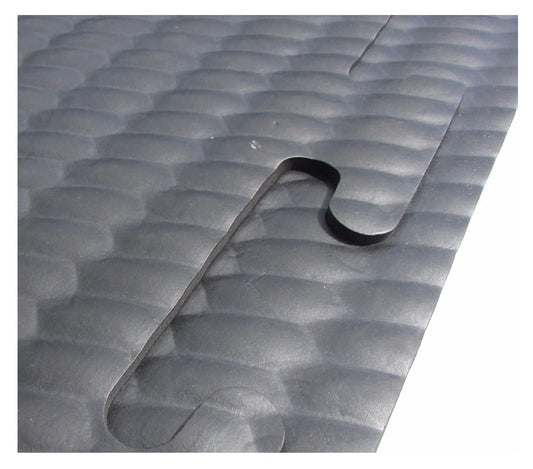
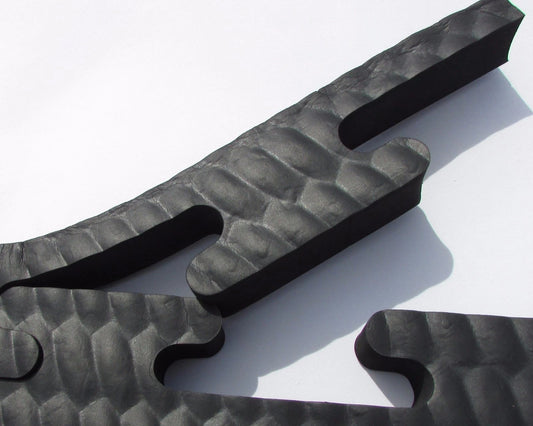
Lightweight Interlocking Stable Horse Mat EVA 24 or 34mm Thick
- Regular price
- £137.38
- Regular price
-
- Sale price
- £137.38
- Unit price
- per
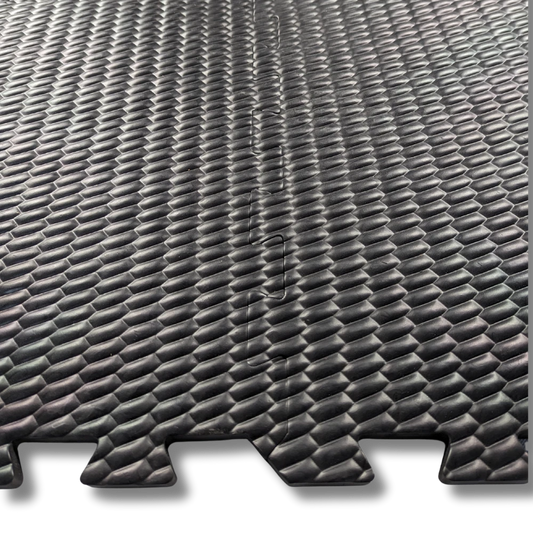
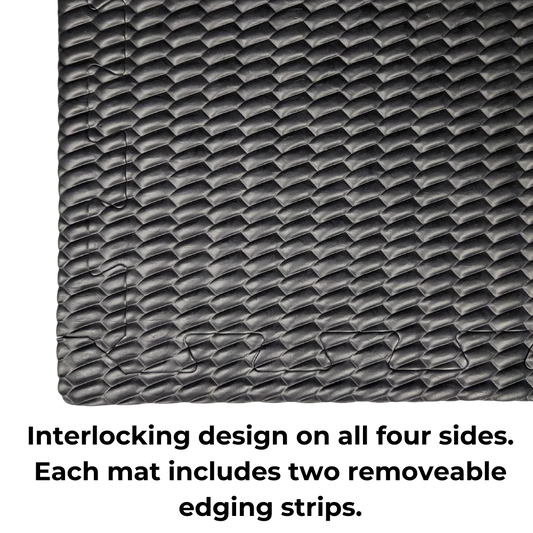
Horse Stable Floor Mats Interlocking EVA Non-Slip Rubber - 6 Piece Jigsaw Design
- Regular price
- £102.38
- Regular price
-
- Sale price
- £102.38
- Unit price
- per


12 Pack Of Stable Horse Floor Matting EVA 24mm Interlocking EVA Cushioned Mats
- Regular price
- £1,001.90
- Regular price
-
- Sale price
- £1,001.90
- Unit price
- per


Interlocking Stable Mats for Seamless Equine and Heavy-Duty Surfacing
Outfitting equine stalls, wash bays, and heavy commercial facilities with loose-lay flooring often presents a common challenge: standard straight-edged mats shifting, separation at the seams, and bedding or debris getting trapped underneath. Over time, constant horse movement and heavy point loads cause traditional mats to lift at the edges, creating dangerous tripping hazards and allowing urine to pool on subfloors. Installing interlocking stable mats resolves these issues by creating a tight, continuous rubber floor that locks securely in place without shifting, buckling, or sliding under heavy animal weight.
At BuyWithUs Matting, we supply commercial-grade interlocking rubber mats engineered to deliver superior structural stability, maximum joint cushioning, and effortless maintenance across UK stables, equestrian centers, livestock transport, and agricultural workshops.
Technical Advantages of Interlocking Rubber Flooring
Unlike lightweight interlocking foam mats that tear under heavy hoof pressure or compress permanently under weight, heavy-duty vulcanized rubber interlocking mats offer unyielding structural strength combined with simple, adhesive-free installation. Precision-milled interlocking teeth bind adjacent mats into a unified protective surface.
-
Immovable Floor Stability: Interlocking edges prevent individual mat shifting, lifting, or edge curling, even under heavy horses turning within tight stalls.
-
Hygienic Surface Seal: Tight seams prevent wood shavings, dirt, and liquid urine from seeping down to the subfloor, reducing bacterial growth and unpleasant ammonia odors.
-
Superior Impact and Joint Relief: Absorbs heavy hoof impact and kinetic drops, reducing stress on equine hocks, tendons, and joints during long stall periods.
-
Thermal Insulation: Acts as a continuous barrier that blocks rising dampness and cold from uninsulated concrete slabs, keeping stabled horses warm and dry.
For facility managers outfitting wide stable passageways, horse transport vehicles, or open yard corridors where long continuous runs are required, laying high-density rubber matting provides a durable, slip-resistant surface that stands up to heavy daily foot and hoof traffic.
Essential Structural Features of Heavy-Duty Interlocking Mats
Selecting the right interlocking rubber matting involves evaluating puzzle edge precision, surface topography, and rubber compound density to guarantee long-term performance under demanding equine conditions.
Precision-Cut Puzzle Edge Profile
Heavy-duty interlocking rubber mats feature precision-machined puzzle edges that lock together tightly under hand pressure. This secure connection creates a smooth, continuous surface across the entire stall floor, eliminating raised edges that catch on brooms, shovels, or horse hooves during daily cleaning.
High-Traction Surface Topographies
Traction is essential in wet stable environments. Quality interlocking mats feature non-abrasive top profiles—such as amoeba, bubble-top, or diamond patterns—that provide high slip resistance when horses stand up or move around, preventing limb strain and accidental slips.
Underside Moisture Drainage Channels
Effective moisture evacuation is critical beneath stable flooring. Interlocking mats engineered with bottom drainage channels allow trapped liquids and wash water to flow along the subfloor slope toward the stall drain, keeping the upper standing surface dry and sanitary.
Comparing Interlocking Mats vs. Traditional Straight-Edge Mats
Matching flooring configurations to specific stall dimensions and livestock requirements ensures optimal comfort, cleanliness, and long-term subfloor preservation.
|
Feature |
Interlocking Rubber Mats |
Straight-Edge Rubber Mats |
|
Seam Stability |
Locks together to form a seamless, immovable floor |
Can shift or separate under heavy horse movement |
|
Subfloor Protection |
Prevents bedding and urine from seeping beneath seams |
Requires periodic lifting to clean underneath seams |
|
Cleaning Efficiency |
Smooth continuous sweep without catching broom bristles |
Edge gaps can catch shovels and gather debris |
|
Installation Style |
Floating puzzle-lock layout; no adhesives required |
Heavy loose-lay or requires perimeter fixing |
For heavy agricultural yards, tractor bays, or industrial storage areas adjacent to stable blocks, exploring our specialized heavy duty rubber matting delivers maximum compression resistance against heavy machinery and static equipment.
Multi-Functional Applications Across UK Facilities
Commercial-grade interlocking rubber mats deliver versatile, long-lasting performance across diverse commercial, domestic, and agricultural environments:
-
Equestrian Loose Boxes & Stables: Creates a seamless, warm, and cushioned standing surface that protects horse joints while reducing daily mucking-out labor and bedding costs.
-
Wash Bays & Grooming Ties: High-density, non-porous rubber repels water, while tight interlocking seams prevent standing water from undermining the layout.
-
Livestock Transport & Horse Trailers: Provides stable, non-slip footing during travel, absorbing road vibrations and protecting trailer beds from urine corrosion.
-
General Stall Solutions: To explore our full range of dedicated equine flooring options, consider our comprehensive horse stable mats collection tailored for all equestrian facilities.
Frequently Asked Questions
Why choose interlocking stable mats over traditional straight-edged mats?
Interlocking stable mats feature precision-cut puzzle edges that lock adjacent mats firmly together. This prevents individual mats from shifting, sliding, or curling at the edges under heavy horse hooves. The tight seam seal also stops bedding, dirt, and urine from working its way beneath the mats, keeping subfloors cleaner and more hygienic.
Are interlocking rubber mats suitable for heavy horse breeds and draft horses?
Yes, commercial-grade interlocking stable mats are manufactured from dense, high-tensile vulcanized rubber (typically 17mm to 22mm thick). They are specifically engineered to support heavy horse breeds, stallions, and shod hooves without tearing, buckling, or pulling apart at the interlocking joints.
How do interlocking stable mats differ from interlocking foam mats?
Interlocking foam mats (like EVA foam) are lightweight and soft, but they compress permanently under heavy weight and tear easily under horse hooves or shoe studs. Heavy-duty rubber interlocking mats are dense, non-compressible, highly durable, and designed specifically for long-term livestock and heavy-impact use.
Can interlocking stable mats be installed over bare concrete floors?
Yes, interlocking rubber mats are designed to lay directly over smooth concrete, asphalt, or compacted stone subfloors. They absorb heavy hoof impacts, prevent concrete surface chipping, and act as a thermal insulator, keeping horses significantly warmer during cold UK winter months.
How do you clean and maintain interlocking rubber stable mats?
Daily cleaning involves sweeping away manure and soiled bedding with a stiff broom. Because the interlocking seams create a flat surface, shovels and brooms glide smoothly without catching on mat edges. For thorough cleaning, hose down or pressure wash the mats using warm water and an equine-safe disinfectant.
Do I need to use glue or adhesive when laying interlocking stable mats?
No, interlocking stable mats are designed for loose-lay installation. The precision puzzle edges bind the mats together into a heavy, single-piece unit, while the natural weight and high-friction underside of the rubber hold the layout securely in place without chemical adhesives.
How do I cut perimeter interlocking mats to fit my stall dimensions?
Perimeter mats trim easily using a sharp, heavy-duty utility knife along a straight metal edge. To make smooth cuts through dense 17mm+ rubber, lubricate the knife blade with soapy water to reduce friction, making several guided, shallow passes along the cut line rather than forcing the blade through in a single pass.
Are interlocking stable mats non-porous and waterproof?
Yes, high-density vulcanized rubber mats are non-porous and non-absorbent. Liquids, urine, and wash water remain on top or flow along bottom drainage channels rather than soaking into the rubber material, preventing foul ammonia odors and bacterial buildup.
How much can interlocking stable mats reduce bedding costs?
Because interlocking rubber mats provide excellent thermal insulation and shock absorption, thick bedding is no longer needed for comfort or warmth. Shavings or straw are only required to absorb urine, allowing facility managers to reduce bedding consumption by 50% to 70%.
How long do commercial-grade interlocking stable mats typically last?
When properly installed and maintained with non-solvent cleaning solutions, quality interlocking rubber stable mats typically last 10 to 15 years or longer, even under continuous daily livestock use in high-traffic equestrian facilities.
- Choosing a selection results in a full page refresh.