
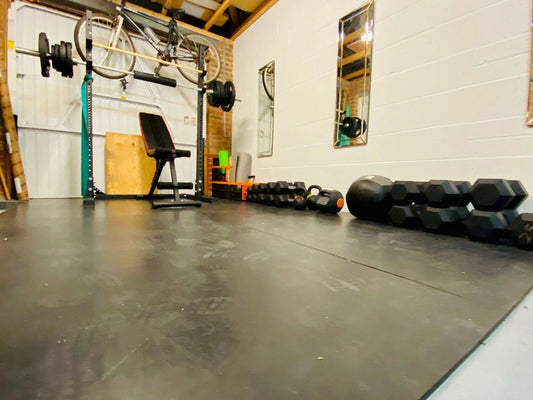
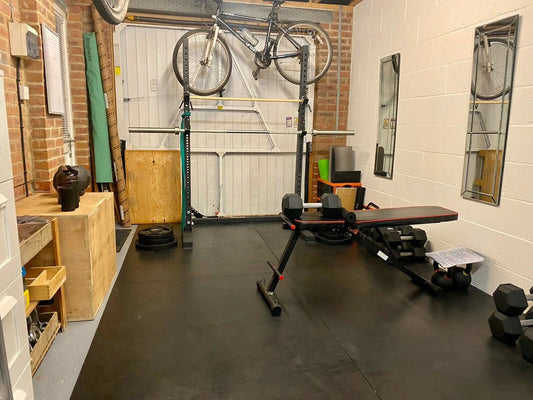
Heavy Duty Rubber Gym Mat 12mm Smooth Commercial Grade Flooring 1.8M x 1.2M 28kg
- Regular price
- £134.88
- Regular price
-
- Sale price
- £134.88
- Unit price
- per


Interlocking Home Gym Mat Flooring Thick Soft Cut Foam Mat Play Mat Comfortable
- Regular price
- £41.23
- Regular price
-
- Sale price
- £41.23
- Unit price
- per
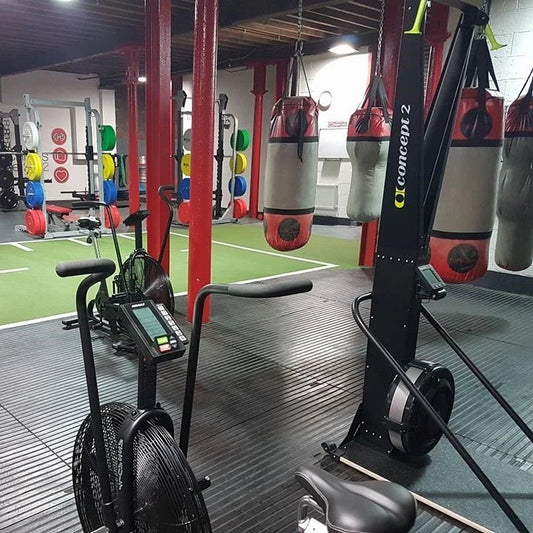
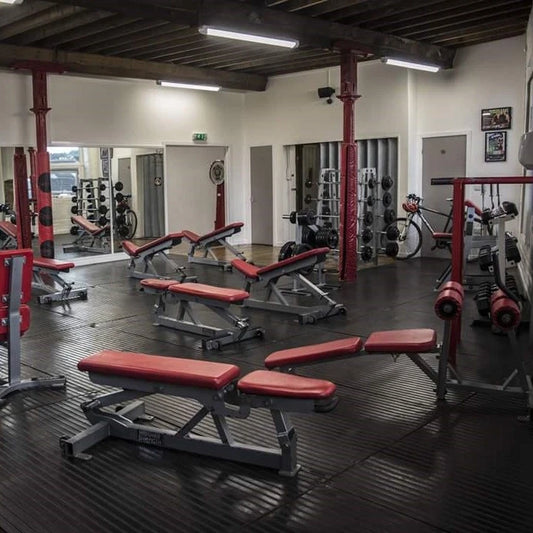
2 x Pro Heavy Duty Large Rubber Gym Black Grooved Mat Commercial Flooring 12mm
- Regular price
- £207.38
- Regular price
-
- Sale price
- £207.38
- Unit price
- per
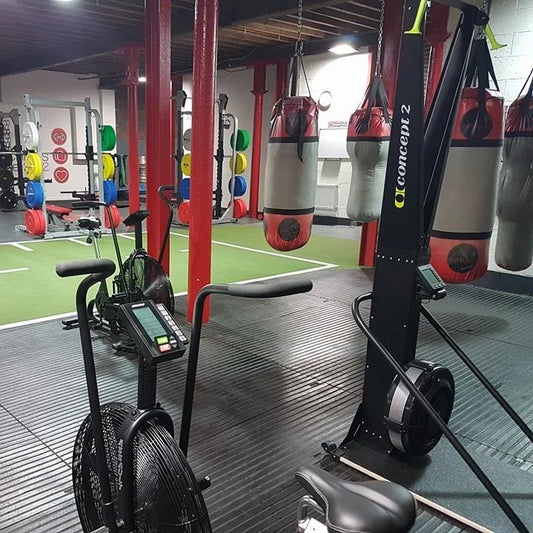
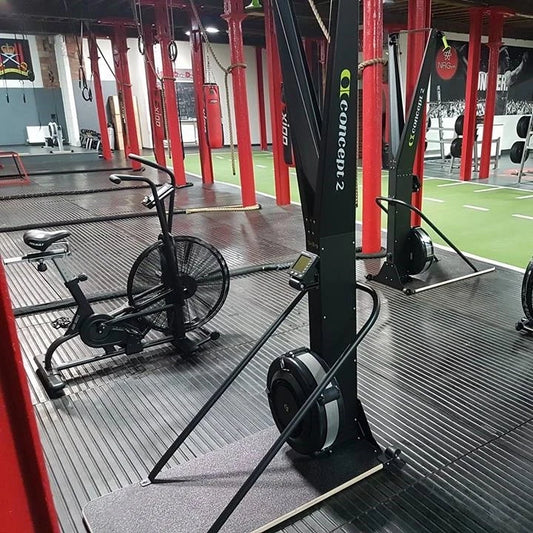
Pro Heavy Duty Large Rubber Gym Black Grooved Mat Commercial Flooring 17mm
- Regular price
- £199.88
- Regular price
-
- Sale price
- £199.88
- Unit price
- per
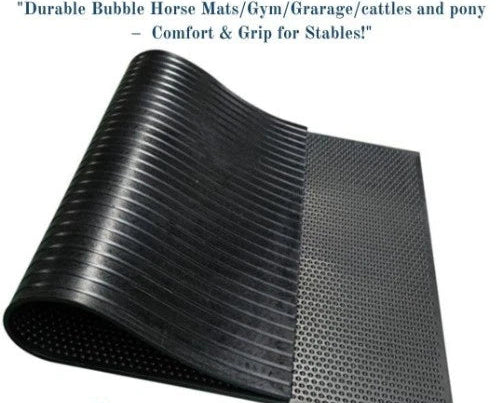
Rubber Floor Gym mats, Commercial Flooring 12mm(6ftx4ft) Foot Bubble Top
- Regular price
- £112.47
- Regular price
-
- Sale price
- £112.47
- Unit price
- per
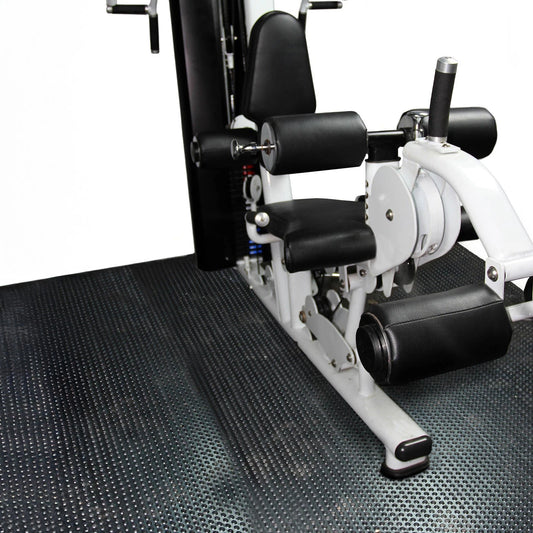
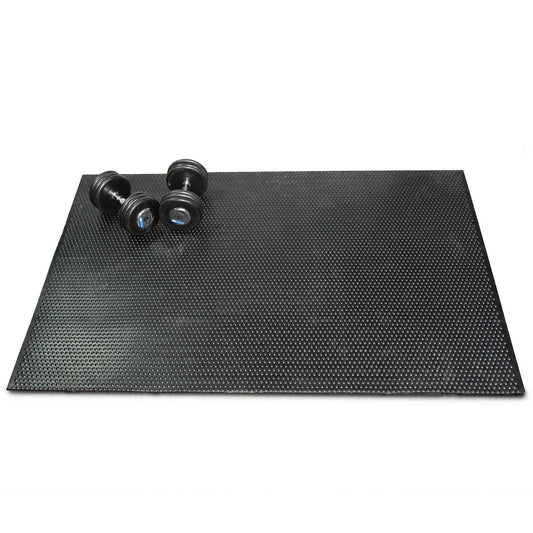
Rubber Gym Mats 6x4ft 10mm Heavy Duty Crossfit Flooring Large Commercial Use
- Regular price
- £109.97
- Regular price
-
- Sale price
- £109.97
- Unit price
- per
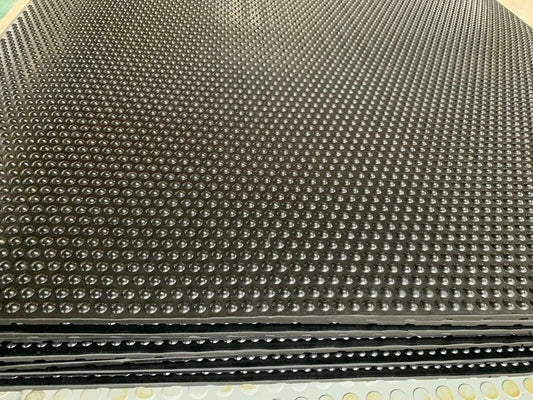
Home Rubber Gym mats, In or Out door Flooring 15mm(6ftx4ft) Bubble Top Design
- Regular price
- £124.97
- Regular price
-
- Sale price
- £124.97
- Unit price
- per


20mm SBR Black Rubber Gym flooring - 1m2 Tiles - Gym / Home Gym Flooring
- Regular price
- £68.75
- Regular price
-
- Sale price
- £68.75
- Unit price
- per
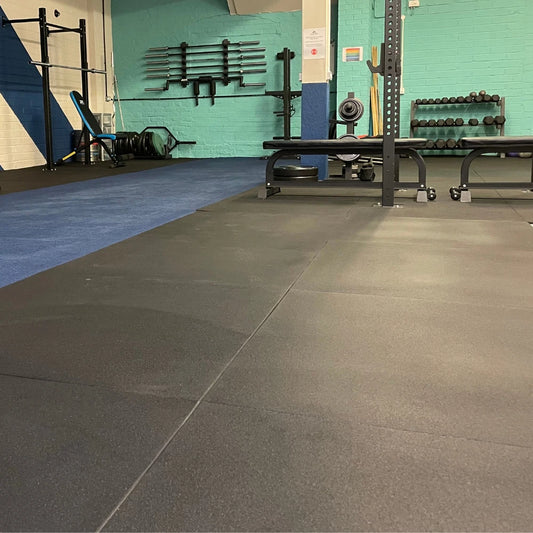

Rubber Gym Floor Tiles | Heavy Duty Crumb Gym Mats | 1M x 1M x 15mm
- Regular price
- £64.88
- Regular price
-
- Sale price
- £64.88
- Unit price
- per


High-Impact Rubber Gym Flooring for Commercial and Personal Studios
Outfitting a training facility with heavy-duty surface protection requires a balance of force absorption, subfloor defense, and acoustic isolation. Dropped dumbbells, heavy barbells, and constant foot traffic can quickly shatter raw concrete slabs or warp subflooring if unprotected. Installing commercial-grade rubber gym flooring protects your structural foundation while creating a safe, high-traction surface for athletes and fitness enthusiasts alike.
At BuyWithUs Matting, we supply high-density fitness surfaces across the UK designed to withstand heavy weight drops, high-intensity functional training, and constant equipment load. Understanding how different surface densities, thicknesses, and tile formats perform under impact helps you select the right setup for your facility layout.
Evaluating Gym Surface Formats for Facility Layouts
Choosing the ideal fitness floor depends heavily on how your space is used, the weight loads being dropped, and whether you are fitting out a multi-story commercial gym or a private workout studio.
Dedicated Residential Workout Spaces
For garage conversions, spare room setups, and private training pods, specialized home gym flooring provides an optimal blend of shock absorption and compact design. It dampens noise transmission across domestic spaces while protecting residential subfloors from kettlebell drops and bench press setups.
Heavy-Impact Modular Systems
Commercial strength zones, Olympic weightlifting platforms, and cross-training facilities require dense protection that will not separate under pressure. Installing precision-cut rubber gym flooring tiles allows you to build a continuous, shock-absorbing surface that isolates structural vibration across multi-story buildings.
Targeted Station and Equipment Protection
When covering localized weight cages, cardio machines, or stretching stations, laying down an individual gym mat offers quick surface protection without covering an entire room. This targeted approach prevents equipment from creeping during exercise while catching sweat and protecting subfloors from localized scuffs.
Material Specifications and Performance Characteristics
High-grade gym rubber flooring is engineered using vulcanized SBR recycled rubber and high-grade EPDM compounds. This dense composition ensures the floor retains its elasticity, recovering immediately after absorbing heavy kinetic impact without permanent indentation.
|
Performance Characteristic |
Technical Standard |
Practical Benefit |
|
Material Base |
Vulcanized SBR Rubber & EPDM Granules |
High density, extreme tear resistance, and shape memory |
|
Density Rating |
High-Impact Compact Rubber |
Resists permanent indentations from heavy static racks |
|
Surface Finish |
Non-Porous Fine Grain |
Sweat-resistant, easy to sanitize, and highly slip-resistant |
|
Acoustic Rating |
High Kinetic Energy Absorption |
Minimizes barbell impact noise and structural vibration |
Selecting Material Gauge for Specific Exercise Zones
Matching thickness to your specific training style prevents unnecessary material costs while ensuring complete floor protection.
Cardio, Functional, and Utility Areas (6mm – 10mm)
Lightweight workouts, spin bike zones, and stretching areas benefit from a streamlined profile. A 6mm to 10mm layer of gym flooring rubber provides excellent floor traction and light scuff defense without creating drastic step-up edges in high-footfall areas.
General Free Weight and Dumbbell Zones (12mm – 20mm)
Medium-weight training areas require enhanced shock mitigation. Utilizing dense rubber gym floor mats in this gauge absorbs standard dumbbell drops and bench press impacts, safeguarding concrete bases while maintaining a stable foundation underfoot.
Olympic Lifting and Heavy Drop Platforms (30mm – 40mm+)
Dedicated powerlifting platforms and heavy strength zones demand maximum material thickness. Placing heavy-duty rubber gym floor tiles under power racks ensures that heavy kinetic energy is absorbed, preventing subfloor concrete from spider-web cracking under intense usage.
Installation Guidelines and Facility Maintenance
A durable workout floor relies on proper subfloor preparation and straightforward maintenance routines.
-
Subfloor Leveling: Before laying down tiles or mats, ensure the concrete or timber subfloor is thoroughly cleaned, swept, and leveled to prevent uneven surface joins.
-
Seamless Transitions: In multi-purpose facilities where fitness areas meet traditional flooring, consider using bevel-edged tiles or ramped borders to prevent tripping hazards.
-
Dual-Purpose Conversions: If expanding your facility into vehicular storage or workshop zones, integrating modular garage floor tiles offers heavy-duty rolling load resistance alongside general impact protection.
-
Hygiene and Care: Sweep daily to remove dust and chalk buildup. Clean the surface using a damp mop paired with a non-acidic, pH-neutral detergent to preserve surface traction and material longevity.
Frequently Asked Questions
What thickness of rubber gym flooring is best for commercial weightlifting?
For commercial facilities featuring heavy dumbbells and power racks, a thickness of 15mm to 20mm is ideal for general weight zones. For dedicated Olympic drop platforms, 30mm to 40mm thick rubber tiles are recommended to fully absorb kinetic shock and prevent concrete cracking.
How does rubber gym flooring help reduce noise in commercial buildings?
High-density SBR rubber acts as a kinetic energy absorber, dampening impact force before it can resonate through structural concrete slabs. This significantly reduces thumping sounds and vibration transmission to adjacent rooms or lower floors.
Can rubber gym floor mats be laid directly over cold concrete floors?
Yes, high-density rubber serves as an effective thermal barrier. Laying rubber mats over raw concrete stops cold temperatures from radiating upward into the room, creating a warmer, more comfortable training environment during cold weather.
How do I clean sweat and dirt from rubber fitness flooring?
Vacuum or sweep loose debris daily, then wipe down the surface using a mop dampened with warm water and a neutral pH floor cleaner. Avoid using aggressive solvent chemicals, bleach, or oil-based soaps, as these can break down rubber binders over time.
Is rubber flooring better for gyms than foam interlocking mats?
Yes, dense rubber is far superior to EVA foam for strength training. While foam compresses permanently under heavy loads and tears easily under friction, dense rubber retains its structural integrity, resists heavy weight drops, and provides firm underfoot stability.
Do I need to glue down rubber gym floor tiles during installation?
In most residential and light commercial applications, high-density rubber tiles stay securely in place through deadweight and tight edge alignment. However, in high-impact commercial drop zones, using polyurethane adhesive ensures zero tile movement under heavy shear forces.
Will heavy gym equipment leave permanent dents in rubber flooring?
High-density SBR rubber is engineered with exceptional structural memory. Unlike soft foam or vinyl, high-grade rubber recovers its original shape after heavy power racks, benches, or weight stacks are relocated.
Is rubber gym flooring suitable for outdoor functional fitness areas?
Yes, quality SBR and EPDM rubber compounds are weather-resistant and UV-stable. They do not degrade under rain or sunlight and maintain high non-slip traction even when wet, making them suitable for outdoor training pods.
How do I trim rubber gym mats to fit tightly around wall perimeters?
Rubber mats can be cut cleanly using a heavy-duty utility knife guided by a straight steel straightedge. Scoring the mat along a chalked line and flexing the join allows the utility blade to glide through the dense rubber smoothly.
Does high-density rubber gym flooring smell strong upon installation?
New rubber flooring can carry a mild initial rubber scent, which stems from the manufacturing vulcanization process. This odor is non-toxic and dissipates naturally within a few days to a week in a well-ventilated space.
- Choosing a selection results in a full page refresh.